

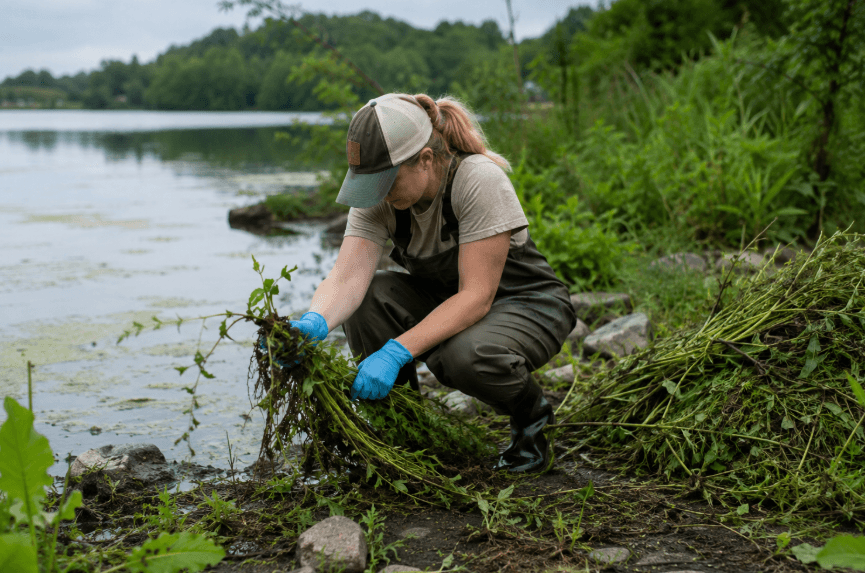
Funding to support 112 local projects, create jobs and strengthen biodiversity protection efforts
LAKE SIMCOE, Ont. — The Ontario government is investing $2 million to support community-led efforts aimed at preventing and controlling invasive species across the province, as part of a broader strategy to protect biodiversity, natural resources and local economies.
The funding, announced Sunday by the Ministry of Natural Resources, will support 112 projects involving municipalities, Indigenous communities, conservation authorities and local organizations. The province said the investment is expected to create more than 160 local jobs while engaging over 3,000 volunteers in invasive species management initiatives.
The projects form part of Ontario’s wider $16-million, three-year strategy to combat invasive species and reduce their environmental and economic impacts.
“From early invasive species detection to on-the-ground management, this investment is helping communities across the province protect the natural spaces we all rely on and enjoy,” said Dawn Gallagher Murphy, Parliamentary Assistant to the Minister of Natural Resources. “Our government is proud to support projects like these that bring people together to safeguard Ontario’s biodiversity for generations to come.”
Province targets environmental and economic risks posed by invasive species
Ontario officials say invasive species remain one of the leading causes of biodiversity loss in the province, carrying an estimated annual economic impact of $3.6 billion across industries including agriculture, fisheries, forestry, healthcare, tourism and outdoor recreation.
The province currently lists 42 invasive species, four groups, one family and two carriers under the Invasive Species Act. The legislation provides regulatory authority to prohibit or restrict certain invasive species while identifying carriers that contribute to their spread.
Ontario also has the highest number of invasive species in Canada, according to the ministry, making early detection and prevention a growing priority for provincial authorities.
“The best way to protect Ontario from invasive species is by preventing them from spreading,” said Mike Harris, Minister of Natural Resources. “That’s why our government continues to invest and give communities the tools they need to keep our waterways and forests safe for families across Ontario to enjoy.”
The Invasive Species Action Fund, administered through the Invasive Species Centre, supports coordinated provincial efforts focused on prevention, detection and rapid response initiatives.
Since 2024, Ontario said funding from the program has supported 213 invasive species management projects, created 254 jobs and engaged nearly 6,750 volunteers provincewide.
Among the initiatives highlighted by the government are ongoing response efforts targeting water soldier in Lake Simcoe, as well as programs addressing invasive plants such as common buckthorn and knotweed in surrounding regions.
Community leaders and environmental groups welcome funding
Provincial ministers and local stakeholders said the funding will help protect ecosystems while supporting economic resilience in sectors dependent on healthy waterways and forests.
“Protecting our natural spaces and native wildlife from invasive species is one of the most important conservation challenges we face,” said Todd McCarthy, Minister of the Environment, Conservation and Parks. “By supporting our partners on the ground, we are helping safeguard the watersheds, forests, and provincial parks that families across Ontario rely on – ensuring that future generations have the same opportunities to cherish and enjoy our shared environment.”
Trevor Jones, Minister of Agriculture, Food and Agribusiness, emphasized the importance of the investment for Ontario’s agricultural sector.
“This investment will support a coordinated response to invasive species, helping protect Ontario’s agri-food sector from emerging threats. By stopping their spread, we are ensuring our farms and food supply remain strong.”
The Invasive Species Centre, which administers the fund, said community collaboration remains central to effective management efforts.
“The Invasive Species Centre is proud to partner with the Ontario Ministry of Natural Resources to empower community action across Ontario. These projects build the knowledge, partnerships, and capacity needed to address invasive species now and protect our lands and waters into the future,” said Colin Cassin, Executive Director of the Invasive Species Centre.
Environmental advocacy organizations also welcomed the announcement, particularly efforts aimed at protecting Lake Simcoe and other sensitive ecosystems.
“Investments like this are critical to conserving Ontario’s biodiversity, sustaining quality recreational opportunities, and reducing long-term environmental and economic costs,” said Matt DeMille, Executive Director of the Ontario Federation of Anglers and Hunters.
Local officials in the Lake Simcoe region said invasive species management remains essential to preserving tourism, recreation and environmental health in the area.
“A large portion of the Town of Innisfil is located on the western side of Lake Simcoe, which is enjoyed year-round as a great spot to boat, swim, fish and simply enjoy the water,” said Lynn Dollin, Mayor of Innisfil. “This funding announcement will help curtail invasive species that can have damaging and long-lasting impacts of the health of the lake.”
The province said it will continue investing in programs designed to strengthen environmental protection while supporting local employment and long-term community resilience across Ontario.