

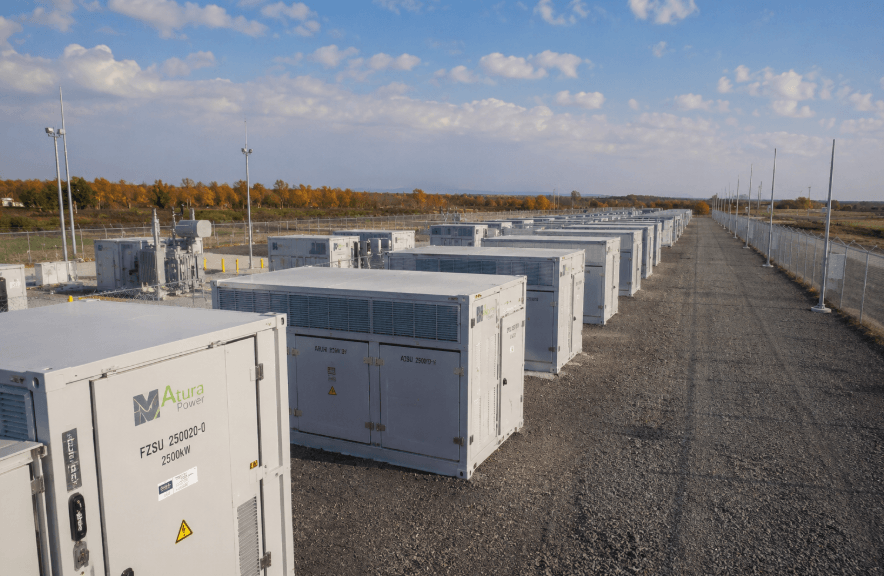
Napanee Battery Energy Storage System to Support Grid Reliability and Peak Demand
The Ontario government has completed one of Canada’s largest battery energy storage facilities, marking a significant milestone in the province’s long-term strategy to strengthen electricity reliability, support economic growth and expand clean energy infrastructure.
Announced Tuesday by Ontario Minister of Energy and Mines Stephen Lecce, the Napanee Battery Energy Storage System (BESS) has officially entered commercial operation approximately five weeks ahead of schedule and within its $600-million budget.
Located in Napanee, Ontario, the 250-megawatt facility is capable of supplying electricity to as many as 250,000 homes for up to four hours during periods of peak demand. The project is among the largest operational battery storage systems currently in service in Canada.
“Ontario is building the infrastructure needed to power growth, protect jobs, and keep energy reliable and affordable for families,” said Stephen Lecce, Minister of Energy and Mines. “The completion of the Napanee Battery Energy Storage System is a major step forward in strengthening our clean electricity grid and securing eastern Ontario’s energy future. This project will help power up to 250,000 homes in eastern Ontario during peak demand, support three highly-skilled jobs and reinforce our plan to build a more competitive, resilient and self-reliant province.”
Province Expands Battery Storage Capacity Amid Rising Electricity Demand
The project was selected through the Independent Electricity System Operator’s Expedited Long-Term 1 competitive procurement process launched in 2022. The procurement initiative supported what the province describes as the largest battery storage acquisition in Canadian history.
Ontario expects electricity demand to rise by as much as 90 per cent by 2050, driven by population growth, industrial expansion, electrification and new housing developments. Provincial officials say battery storage systems will play an increasingly important role in managing peak demand periods and supporting grid reliability during extreme weather events.
How the Facility Works
The Napanee BESS includes 284 battery storage units, transformer stations and transmission infrastructure designed to store electricity generated during periods of low demand — particularly from Ontario’s nuclear and hydroelectric facilities — and release it back into the grid when demand rises.
The project also incorporated Ontario-made components, including 72 medium-voltage transformers manufactured by Stein Industries in London, Ontario. The transformers were purchased through Nbisiing Power, an Indigenous-owned business operating within Nipissing First Nation.
The facility was developed through a joint venture between Atura Power, a subsidiary of Ontario Power Generation, and Ameresco Canada.
“At Atura Power, we are investing in modern technologies that strengthen system reliability and enable the integration of more intermittent non emitting generation, while maintaining the dependable electricity supply Ontarians rely on every day,” said Tom Patterson, President and CEO of Atura Power. “Delivering this project ahead of schedule and on budget reflects the skill and dedication of our project team, including our joint venture partner Ameresco Canada, and the many trades and engineering professionals who made it possible.”
Bob McCullough, President of Ameresco Canada Inc., said the project demonstrated the benefits of collaboration between public and private sector partners.
“Through strong collaboration and a shared commitment to excellence, Atura Power and Ameresco worked closely with all project partners to successfully deliver this important energy infrastructure ahead of schedule,” McCullough said. “Reaching commercial operation early is a significant milestone and a clear reflection of the dedication, expertise, and teamwork across the entire project team.”
Economic and Employment Benefits Highlighted
According to the province, construction and development of the project supported approximately 120 jobs across skilled trades, engineering, transportation and equipment manufacturing. The completed facility will continue to support long-term operational and maintenance roles in the region.
Local and regional political leaders said the project will help eastern Ontario manage future electricity demand while supporting broader economic development.
“From industrial expansion to new housing and commercial developments, Eastern Ontario is experiencing unprecedented investments that are creating jobs and new opportunities for families,” said Steve Clark. “The completion of the Napanee Battery Energy Storage System marks another milestone in our government’s unwavering commitment to providing the energy that’s necessary to power our region as we continue to grow.”
Mayor Terry Richardson called the project an important investment for the community.
“Development, construction and operation of important projects such as the Napanee BESS, will assist in providing the much-needed power our communities will require to grow, and ensure a quality of life all Ontarians deserve,” Richardson said.
Battery Storage Seen as Key Part of Ontario’s Energy Strategy
Industry organizations and labour groups also welcomed the project, describing battery storage as an increasingly important component of Ontario’s evolving electricity system.
“The completion of the Napanee Battery Energy Storage System is a positive step in strengthening Ontario’s electricity system at a time of growing demand,” said Andrew Clunis, President of the Power Workers Union. “Battery storage is an important tool that can help improve grid reliability, manage peak demand, and support the integration of clean energy resources, such as nuclear and hydro.”
Vittoria Bellissimo, President and CEO of the Canadian Renewable Energy Association, described energy storage as a flexible tool for managing electricity supply.
“Energy storage is the Swiss Army knife of the electricity system,” Bellissimo said. “It can store energy for later, step in when demand spikes, and keep the grid stable and costs down.”
Ontario has now secured nearly 3,000 megawatts of battery storage capacity through several procurement initiatives, including the Oneida Energy Storage Project and the province’s Long-Term Request for Proposals programs. Provincial officials say additional procurement results under the second LT2 capacity stream are expected later in 2026.
The government said the expansion of battery storage supports its broader “Energy for Generations” strategy aimed at ensuring Ontario maintains a reliable, affordable and competitive electricity system as economic and population growth accelerate across the province.
Discover more from Wire Service Canada
Subscribe to get the latest posts sent to your email.