

Community and environmental groups say updated rules still fall short of safeguarding waterways and rural residents
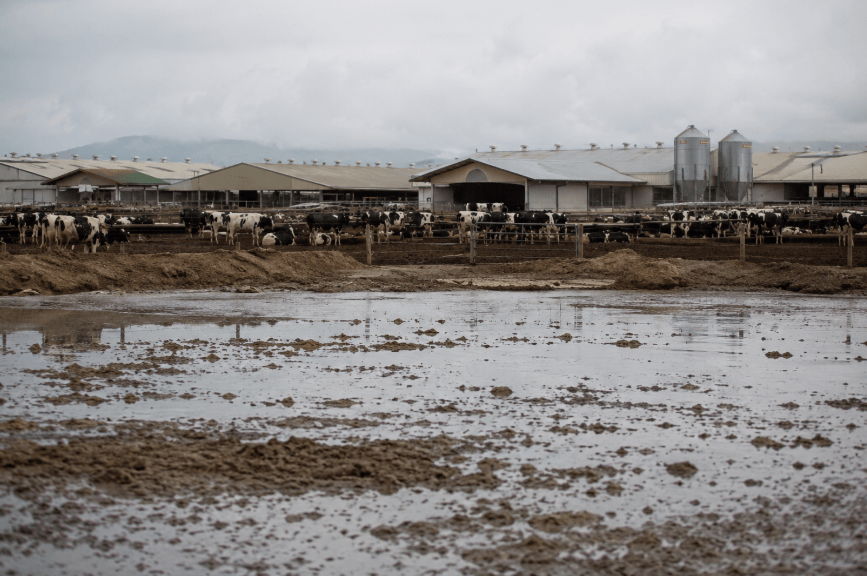
PORTLAND, Ore. — Oregon regulators have finalized a long-delayed permit governing hundreds of factory farms across the state, drawing criticism from environmental and community organizations that argue the updated rules still fail to adequately protect waterways and rural communities from agricultural pollution.
The finalized National Pollutant Discharge Elimination System (NPDES) permit for Concentrated Animal Feeding Operations (CAFOs), issued by the Oregon Department of Agriculture and the Oregon Department of Environmental Quality, establishes pollution control requirements for factory farms over the next five years. The permit is intended to strengthen oversight of manure management and water pollution monitoring at CAFOs throughout the state.
Environmental advocates acknowledged that the revised permit introduces stronger monitoring requirements and additional safeguards compared with previous regulations. However, they maintain the measures remain insufficient to meet obligations under the U.S. Clean Water Act and Oregon water quality laws.
Environmental groups criticize permit protections
Organizations including the Center for Food Safety, Friends of Family Farmers, Oregon Rural Action, Columbia Riverkeeper and Willamette Riverkeeper had urged regulators to adopt stronger pollution controls before approving the permit.
“By finalizing this permit without the protections that communities and Center for Food Safety fought for, the ODA has made clear it is choosing business as usual over the health of Oregonians and our rivers, streams, and groundwater. We will not stop fighting until factory farms are truly held accountable,” said Amy van Saun, senior attorney at Center for Food Safety. “Oregon’s water quality protections have historically been lax when it comes to regulating animal factory water pollution, and despite waiting over five years to draft a new permit, ODA still ignored recent case law and facts on the ground in Oregon that require more meaningful and enforceable protections.”
Water contamination concerns remain central issue
CAFOs have long been identified as a major source of water pollution in Oregon, particularly in rural communities that depend heavily on groundwater for drinking water supplies. According to advocacy groups, approximately 80 per cent of rural Oregonians rely on groundwater systems.
Factory farms generate large quantities of animal waste, including manure mixed with heavy metals, pharmaceuticals and other contaminants. Waste is commonly stored in open lagoons before being applied to agricultural fields as fertilizer. Critics argue that without stronger infrastructure requirements and more rigorous monitoring, contaminants can seep into nearby waterways and groundwater systems.
Oregon already faces significant water quality challenges, including roughly 122,800 miles of impaired rivers and streams and three groundwater management areas established because of elevated nitrate contamination levels.
Rural communities disproportionately affected
Advocates say rural and lower-income communities continue to bear the brunt of the contamination risks, particularly in areas already facing pressure from industrial agriculture, climate instability and expanding data centre developments.
“Thousands of Oregonians in the Lower Umatilla Basin have been exposed to unsafe levels of nitrate in their drinking water for decades,” said Kaleb Lay, director of policy and research with Oregon Rural Action. “This public health crisis happened on Oregon’s watch because of weak permits, weak rules, weak enforcement, and a political landscape that has prioritized corporate profit and economic productivity over the wellbeing of rural Oregonians. That has to change.”
Advocacy groups sought stricter monitoring and enforcement
Several environmental organizations, including Food & Water Watch and the Animal Legal Defense Fund, previously submitted formal comments on the draft permit, arguing that the proposal lacked meaningful accountability measures.
The groups called for regulators to more clearly define when a facility has the potential to discharge pollutants into waterways, require monitoring at all discharge points, and mandate stronger pollution prevention measures around manure lagoons and composting sites.
Advocates also pushed for the permit to address aerial discharge risks from spray operations and to exclude CAFOs using anaerobic digesters for renewable fuel production, arguing such operations can create additional water quality concerns not covered under the permit.
Community organizations further urged regulators to consider the cumulative impacts of factory farms on disproportionately affected populations, particularly rural communities already facing long-term drinking water contamination issues.
Legal and advocacy efforts expected to continue
The Center for Food Safety said it intends to continue pursuing legal and advocacy avenues aimed at strengthening environmental protections and holding factory farms accountable for pollution violations.
The updated permit comes after more than five years of regulatory review and public debate over how Oregon should manage pollution risks associated with large-scale livestock operations.
While state regulators describe the revised permit as a step toward improved oversight, environmental advocates maintain that significant gaps remain in protecting waterways and ensuring safe drinking water for affected communities across the state.
Discover more from Wire Service Canada
Subscribe to get the latest posts sent to your email.