

U.S. Dairy Groups Applaud Efforts to Counter EU Geographical Indication Policies
ARLINGTON, VA — A newly released U.S. government report is drawing praise from major American dairy and food industry organizations, which say it marks meaningful progress in protecting the use of widely recognized food names in international markets.
The 2026 Special 301 Report from the Office of the United States Trade Representative (USTR) outlines key intellectual property challenges facing U.S. exporters and highlights efforts over the past year to secure commitments from trading partners to preserve the use of generic food and beverage terms.
Industry groups including the National Milk Producers Federation, U.S. Dairy Export Council and Consortium for Common Food Names welcomed the report’s findings, emphasizing its focus on countering European Union policies that restrict the use of certain product names through geographical indications (GIs).
Trade Agreements Signal Shift in Policy Landscape
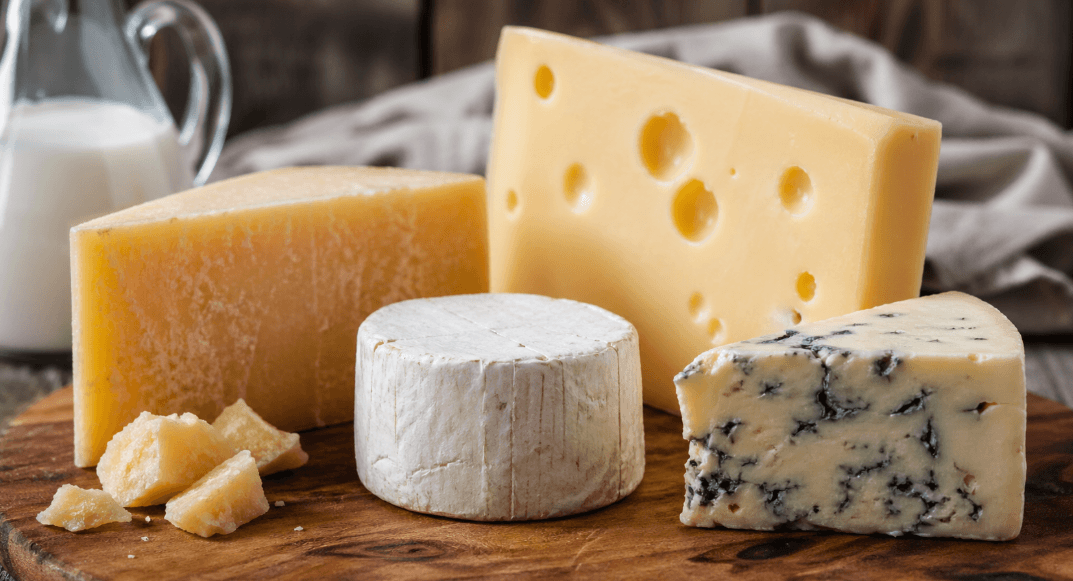
The report underscores what stakeholders describe as a significant shift in trade dynamics, particularly through a series of reciprocal trade agreements aimed at ensuring fair market access. These agreements seek to prevent the European Union from limiting the use of common names such as “parmesan” and “feta” to producers within specific European regions.
“For too long, the EU has weaponized GI policy to crowd out American producers from markets they have served for decades,” Krysta Harden, president and CEO of USDEC, said. “This past year’s reciprocal trade agreements are a sea change, and we welcome USTR’s leadership and persistence in addressing this issue. We encourage the administration to build on this impressive foundation in every remaining negotiation to ensure U.S. exporters are never again shut out of export markets by the EU’s GI misuse.”
The European Union’s GI framework allows certain food names to be legally protected based on their geographic origin, a system critics argue creates barriers for non-European producers using terms that have become generic in global markets.
Industry Calls Out Competitive Imbalance
U.S. dairy producers have long argued that GI protections create an uneven playing field, effectively limiting competition and restricting access to key export markets.
“EU GI schemes create a two-tiered system that benefits European dairy producers and stamps out competition,” Gregg Doud, president and CEO of NMPF, said. “NMPF deeply appreciates USTR’s leadership in addressing the GI restrictions detailed in the Special 301 report as a priority trade barrier. We look forward to continuing this great work with USTR.”
The issue has become increasingly prominent in trade negotiations, particularly as global demand for dairy products grows and market access becomes more competitive.
Expanding Protections Across Global Markets
The Consortium for Common Food Names has been actively engaged in advocacy efforts, including submitting detailed comments to USTR earlier this year identifying markets where naming restrictions pose risks to U.S. exporters. Products cited include “asiago,” “provolone” and “gruyere,” which are subject to GI-related limitations in various jurisdictions.
“The EU’s approach to geographical indications is simply a dressed-up trade barrier. It is entirely unacceptable,” Jaime Castaneda, executive director of CCFN, said. “Too many trading partners have been coerced into imposing barriers on products using common food names. We greatly appreciate the administration’s leadership in reversing this trend, and we urge USTR to build on their great work securing important protections for common names in nine Agreements on Reciprocal Trade signed to date and protect common names in every market.”
CCFN also participated in a public hearing hosted by USTR in February, alongside supporting submissions from NMPF and USDEC.
Ongoing Monitoring and Enforcement Ahead
While industry leaders are encouraged by recent developments, they stress that implementation and enforcement of these agreements will be critical to ensuring long-term success.
All three organizations indicated they will continue working closely with USTR and other U.S. government partners to monitor compliance among trade partners. The goal, they say, is to maintain open and predictable access for American dairy exporters and ensure that commitments made under the new agreements are fully upheld.
The issue remains a central point of contention in global trade discussions, with broader implications for intellectual property rights, market competition and the future of agricultural exports.
As negotiations continue, stakeholders are watching closely to see whether the progress highlighted in the 2026 report translates into sustained market access and stronger protections for U.S. producers abroad.