

Ontario coroner confirms mandatory review of 23-year-old’s death in custody
An inquest will be held into the death of Lovepreet Singh, a 23-year-old who died while in custody at a correctional facility in Ontario, the province’s Ministry of the Solicitor General announced Thursday.
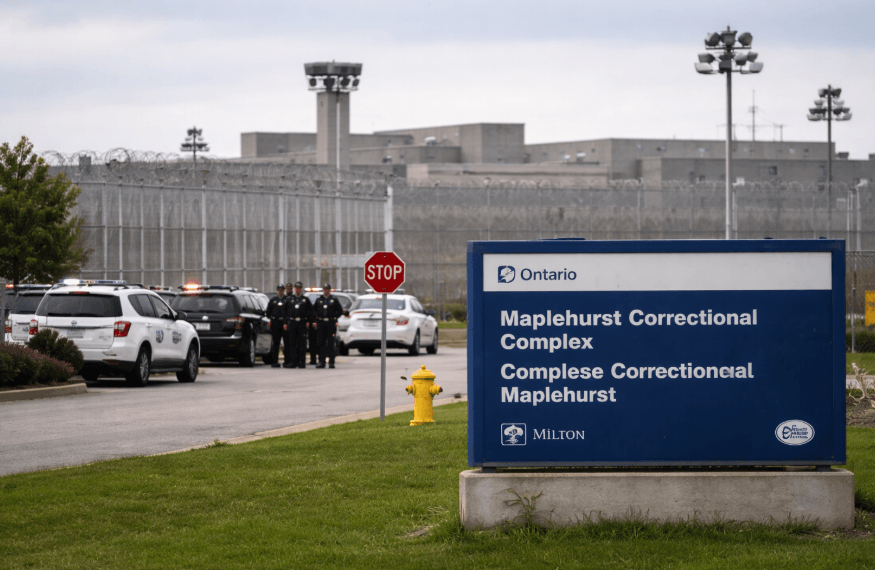
Dr. Kenneth Peckham, Regional Supervising Coroner for the Central Region, confirmed that the inquest will examine the circumstances surrounding Singh’s death at the Maplehurst Correctional Complex in Milton.
Mandatory inquest under provincial legislation
Mr. Singh died on October 28, 2020, while in custody at the facility. Under Ontario’s Coroners Act, an inquest is mandatory for deaths that occur in custody, ensuring public examination of the facts and circumstances.
“Dr. Kenneth Peckham, Regional Supervising Coroner, Central Region, Central West Office, has announced that an inquest will be held into the death of Lovepreet Singh.”
The Ministry stated that the purpose of the inquest is not to assign legal responsibility, but to establish the facts surrounding the death. A jury will hear evidence and may issue recommendations aimed at preventing similar deaths in the future.
Focus on transparency and prevention
The inquest will explore the events leading up to Singh’s death, including conditions of custody, medical care, and institutional procedures. Such proceedings are a key part of Ontario’s oversight framework for correctional facilities and are intended to promote accountability and systemic improvement.
“Mr. Singh, 23 years old, died on October 28, 2020, while in custody at the Maplehurst Correctional Complex in Milton. An inquest into his death is mandatory under the Coroners Act.”
Inquests in Ontario are public hearings, typically presided over by a coroner and involving a five-person jury. Witnesses may include correctional staff, medical professionals, and other individuals connected to the case.
Recommendations may follow jury findings
At the conclusion of the proceedings, the jury may deliver non-binding recommendations directed at government agencies, institutions, or other relevant bodies. These recommendations often address policies, procedures, or practices that could reduce the risk of future deaths in similar circumstances.
“The inquest will examine the circumstances surrounding Mr. Singh’s death. The jury may make recommendations aimed at preventing further deaths.”
While the recommendations are not legally enforceable, they are considered an important mechanism for influencing policy changes and improving safety standards within Ontario’s correctional system.
Details on timing yet to be released
Officials have not yet announced when or where the inquest will take place. The Ministry indicated that additional information will be shared in due course.
“Further details regarding the inquest, including the date and venue, will be provided at a later date.”
Inquests can take months or years to convene, depending on the complexity of the case, availability of witnesses, and procedural requirements.
Broader context of custodial inquests in Ontario
Custodial deaths in Ontario are subject to heightened scrutiny under provincial law, reflecting ongoing public and institutional concern about safety and oversight within correctional facilities. Inquests serve as a formal avenue for examining systemic issues and identifying areas for reform.
The Ministry also directed the public to additional resources on the inquest process, noting that more information is available through official provincial channels.
“For more information about inquests, see: https://www.ontario.ca/page/coroners-inquests.”
As the province prepares for the inquest into Singh’s death, attention is expected to focus on both the specific circumstances of the case and any broader lessons for Ontario’s correctional system.
Discover more from Wire Service Canada
Subscribe to get the latest posts sent to your email.