

High Ground Hikes and Emergency Drills Aim to Strengthen Coastal Readiness
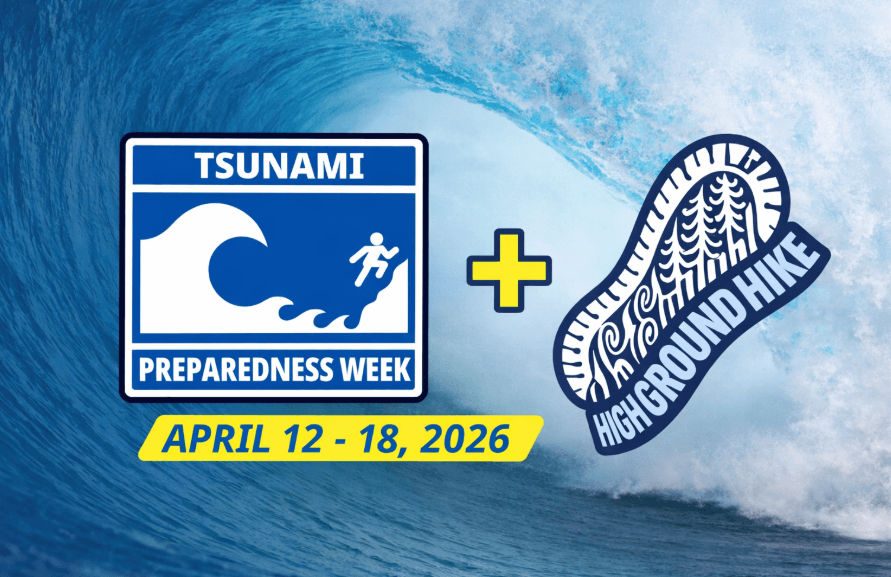
The Strathcona Regional District (SRD) is urging residents across Vancouver Island’s west coast to take part in a series of emergency preparedness exercises scheduled for mid-April, as part of Tsunami Preparedness Week 2026.
Running from April 13 to 17, the initiative includes four coordinated exercises designed to test warning systems and improve public readiness in the event of a tsunami. Central to the programme are three “High Ground Hikes,” which encourage residents to practise evacuation routes and understand how to respond during a real emergency.
Local officials say the initiative reflects a growing emphasis on community-wide resilience, particularly in regions exposed to seismic risks.
Building Community Resilience Through Preparedness
SRD Chair Mark Baker highlighted the importance of collective action in emergency situations, noting that preparedness extends beyond individual households.
“Preparedness goes beyond the individual—it’s about building community resilience,” said SRD Chair Mark Baker. “In times of crisis, we rely on each other—whether that’s lending a hand, sharing resources, or offering emotional support. Emergencies can be overwhelming, but when we come together, we’re better equipped to respond and recover.”
The High Ground Hikes are designed not only to familiarise residents with evacuation routes but also to foster a sense of shared responsibility among communities that may need to rely on one another during a disaster.
Understanding the Tsunami Risk Landscape
The exercises will simulate distant tsunamis originating from the Alaska-Aleutian Subduction Zone (AASZ), one of the key seismic threats to British Columbia’s coastline. While not the most severe risk, AASZ-generated tsunamis represent the second-highest threat level to west coast communities within the SRD.
According to regional data, such tsunamis typically reach affected areas approximately three hours and 15 minutes after an earthquake, with wave heights ranging from 2.9 metres in Yuquot to as high as 6.8 metres in Gold River.
However, officials stress that the most significant threat comes from the Cascadia Subduction Zone (CSZ), located much closer to the coast. A major earthquake in this zone would allow far less time for response.
Immediate Action Critical in Local Tsunami Events
SRD Emergency Services Manager Shaun Koopman emphasized the urgency of immediate action following a local earthquake, warning residents not to rely on official alerts in such scenarios.
“If you are near the coast anywhere when an earthquake occurs, immediately drop, cover, hold on and then move to higher ground to protect yourself from a potential tsunami,” Koopman said. “If it knocks you down, then go to high ground,” said SRD Manager of Emergency Services, Shaun Koopman. “You should not wait for notifications from any other channels such as radio, cellphone and tsunami sirens as these will likely be damaged from the earthquake. Also, these tsunami warning systems are for distant tsunami sources, due to the time it takes to process the data. The earthquake was your warning about a local tsunami.”
In the event of a CSZ earthquake, tsunami waves could arrive in as little as 25 minutes in Kyuquot and up to 54 minutes in Tahsis, with wave heights ranging from 7.5 metres to a potentially devastating 12.4 metres.
Community Engagement and Incentives
To encourage participation, the SRD will host free community barbecues at each High Ground Hike location, providing an opportunity for residents to engage with emergency services teams and learn more about preparedness strategies in an informal setting.
Participants will also be entered into prize draws, with items including cellphone battery pack chargers and household disaster preparedness kits aimed at supporting emergency readiness at home.
Schedule of Events Across the Region
The week’s activities will take place across multiple communities:
- April 14 (5:30 pm – 7:00 pm, Oclucje): Tsunami siren test, Alertable notification test, and High Ground Hike
- April 15 (2:00 pm – 3:30 pm, Ehatis and Zeballos): Tsunami siren test, Alertable notification test, and High Ground Hike
- April 16 (11:00 am – 1:00 pm, Tahsis): Tsunami siren test, Alertable notification test, and High Ground Hike
- April 16 (2:30 pm, Gold River): Tsunami siren test and Alertable notification test
Officials say these coordinated exercises are essential for testing both infrastructure and public awareness, ensuring that communities can respond effectively under real-world conditions.
Strengthening Preparedness Amid Growing Awareness
As climate and seismic risks continue to shape emergency planning across Canada’s coastal regions, initiatives such as Tsunami Preparedness Week are becoming increasingly important for local governments and residents alike.
By combining practical drills, public education, and community engagement, the SRD aims to strengthen its overall emergency response capacity while reinforcing the message that preparedness is a shared responsibility.
Residents seeking additional information on tsunami readiness and safety measures are encouraged to consult regional resources provided by the SRD.
Discover more from Wire Service Canada
Subscribe to get the latest posts sent to your email.