

Emergency measures aim to stabilize supply amid historic market shock
The International Energy Agency (IEA) has launched an unprecedented intervention in global oil markets following severe disruptions triggered by escalating conflict in the Middle East, marking what officials describe as the most significant energy supply shock in modern history.
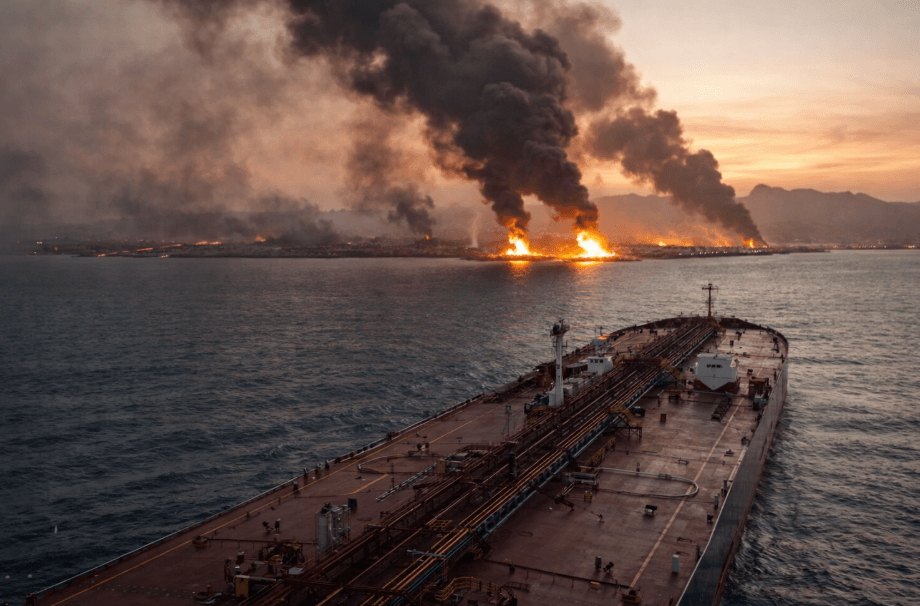
The crisis, which began on 28 February, has sharply curtailed energy flows through the strategically critical Strait of Hormuz, a chokepoint for global oil and gas shipments. The resulting supply constraints have raised urgent concerns over energy security, affordability and broader economic stability worldwide.
IEA Executive Director Fatih Birol characterized the situation in stark terms, calling it “the greatest threat to global energy security in history”, citing supply losses exceeding those seen during the oil crises of the 1970s and the 2022 energy crisis linked to Russia’s invasion of Ukraine.
Member countries agree to historic 400 million barrel release
In response to the rapidly tightening supply conditions, IEA member countries unanimously agreed on 11 March to release approximately 400 million barrels of emergency oil stocks into global markets. The move represents the largest coordinated stock release in the agency’s history.
The emergency action is intended to provide immediate relief to strained markets and temper price volatility, as crude oil prices have surged above US$100 per barrel. Refined products—including diesel, jet fuel and liquefied petroleum gas—have experienced even steeper price increases, amplifying cost pressures for businesses and consumers alike.
While the release offers a critical buffer, the IEA cautions that it is not a long-term solution. The effectiveness of the measure will depend heavily on the duration of the conflict and the restoration of shipping flows through the Strait of Hormuz.
Supply disruptions reach unprecedented levels
According to the IEA’s latest Oil Market Report, the scale of supply disruption is without precedent. With maritime traffic through the Strait of Hormuz reduced to minimal levels and limited alternative routes available, Gulf producers have cut output by more than 10 million barrels per day.
The report highlights particular vulnerabilities in diesel and jet fuel markets, where global spare capacity remains constrained. Storage limitations and logistical bottlenecks further complicate efforts to rebalance supply.
Absent a rapid de-escalation, the IEA warns that supply losses could deepen, with cascading effects on industrial activity, transportation and global trade.
Demand-side measures proposed to ease consumer impact
Alongside supply interventions, the IEA is urging governments, businesses and households to adopt immediate demand-side measures to mitigate price pressures.
A newly released report outlines 10 actionable steps aimed at reducing oil consumption, particularly in road transport, which accounts for roughly 45% of global demand. Recommended measures include increased remote work, reduced highway speed limits, greater use of public transit and limiting air travel where alternatives are available.
“The report provides a menu of immediate and concrete measures that can be taken on the demand side by governments, businesses and households to shelter consumers from the impacts of this crisis,” Dr Birol said. “It draws on the IEA’s decades of expertise in this field and highlights measures that have been proven to work in practice in different contexts.”
The agency emphasizes that widespread adoption of these strategies could significantly dampen demand and help cushion price shocks in the near term.
Diplomatic engagement and monitoring tools expand
The IEA is also intensifying its international engagement efforts, with Birol in active discussions with major energy producers and consumers. He has participated in recent G7 Finance and Energy Ministers meetings at the invitation of France, which currently holds the G7 Presidency.
To support transparency and real-time analysis, the agency has launched new monitoring tools, including the Martine Chokepoints Shipping Monitor. The platform tracks evolving flows of oil, gas and other commodities since the onset of the conflict, offering critical insights into market dynamics.
Broader implications for global energy governance
The unfolding crisis is also intersecting with longer-term developments in global energy governance. Romania has formally requested membership in the IEA, signaling deeper alignment with international energy policy frameworks. The application will be reviewed by the agency’s Governing Board, with accession requiring compliance with IEA standards on energy data, policy and emergency preparedness.
Meanwhile, the agency continues to advance initiatives spanning energy efficiency, renewable integration and infrastructure development across regions including Africa, Southeast Asia and India.
Outlook remains uncertain as crisis evolves
Despite the масштаб of the IEA’s intervention, significant uncertainty remains. The agency notes that the ultimate economic and market impacts will depend not only on the intensity of the conflict but also on how long disruptions to key shipping routes persist.
For now, the coordinated release of emergency reserves stands as a critical, albeit temporary, safeguard against further destabilization in global energy markets—underscoring both the fragility of supply chains and the strategic importance of international cooperation in times of crisis.
Discover more from Wire Service Canada
Subscribe to get the latest posts sent to your email.