

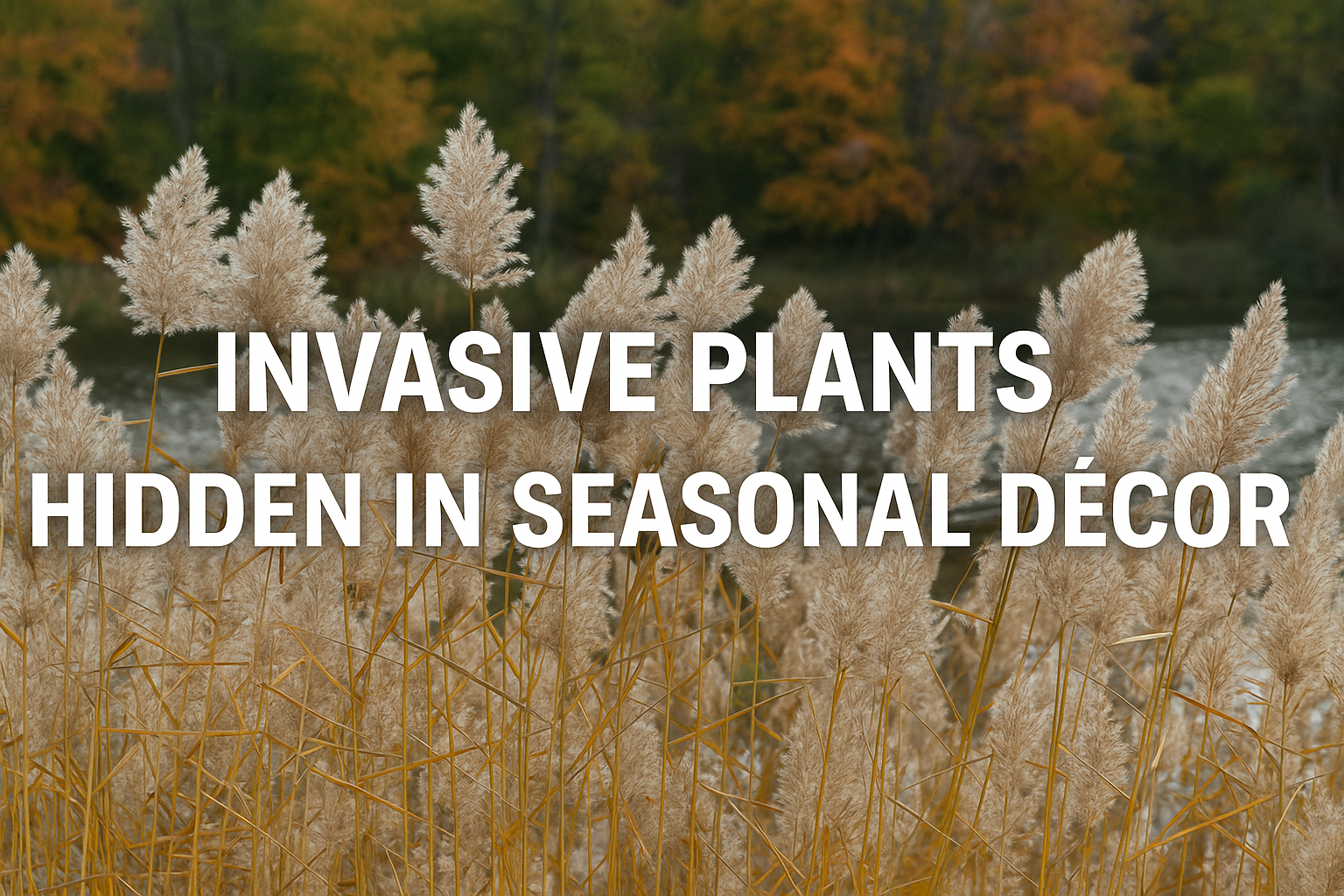
As the fall season brings vibrant floral arrangements and festive home décor across Atlantic Canada, experts are warning that some of these displays may be doing more harm than good. Invasive plant species commonly used in decorative arrangements are spreading into local ecosystems, posing serious risks to biodiversity and increasing management costs for governments and landowners.
According to the Nova Scotia Invasive Species Council (NSISC) and the New Brunswick Invasive Species Council (NBISC), popular ornamental plants like the Common Reed (Phragmites australis spp. australis) and Oriental Bittersweet (Celastrus orbiculatus) are among the most harmful offenders. These species, while visually appealing, can devastate wetlands, forests, and agricultural areas when unintentionally introduced through seasonal décor.
Decorative Plants with Destructive Consequences
“Highly invasive plants such as the Common Reed and Oriental Bittersweet are often used in seasonal floral arrangements, inadvertently causing spread, damaging natural ecosystems, and increasing management costs,” the councils warned in a recent media release.
The Common Reed, recognized by its tall stalks and feathery seed heads, has become a growing concern across the Maritimes. While its aesthetic appeal makes it a popular addition to fall-themed decorations, the plant is an aggressive invader that quickly dominates wetland areas. Once established, it outcompetes native vegetation, reduces habitat quality, and threatens sensitive wildlife populations.
This includes several species at risk protected under the Species at Risk Act (SARA), such as the Blanding’s Turtle (listed as Endangered) and the Least Bittern (listed as Threatened). Beyond ecological damage, the Common Reed also carries economic costs, invading agricultural fields and blocking highway sightlines — problems that require costly management and removal.
“These seemingly harmless decorations can introduce destructive species to your property,” says Clarissa Hoffman, Terrestrial Project Coordinator with the New Brunswick Invasive Species Council. “If you suspect invasive species in a floral arrangement, the best action is to remove them, place them in a black garbage bag, double-bag, and dispose in a landfill.”
Alternatives That Protect Local Ecosystems
While invasive plants can easily spread through discarded or wind-blown seeds, experts say there are simple, sustainable alternatives available for consumers and florists alike.
“Many beautiful native plants can be used as safe alternatives in seasonal floral displays,” explains Hughstin Grimshaw-Surette, Terrestrial Project Coordinator with the Nova Scotia Invasive Species Council. “For example, Canadian Holly or Pearly Everlasting can add vibrant colour without the risk of spreading invasive species.”
The councils recommend using Canadian Holly (Ilex verticillate), Virginia Rose (Rosa virginiana), and Pearly Everlasting (Anaphalis margaritacea) as eco-friendly replacements for commonly used invasive plants such as Multiflora Rose, Scotch Broom, and Teasel.
These native alternatives not only protect biodiversity but also support pollinators, birds, and other wildlife species native to Atlantic Canada.
Raising Awareness Through Collaboration
The Nova Scotia and New Brunswick Invasive Species Councils operate as chapters of Invasives Canada, a national network working to prevent and manage the spread of invasive species across the country. Their latest awareness campaign aims to educate consumers, florists, and craft retailers about the ecological consequences of using invasive materials in seasonal décor.
By promoting native plant alternatives, the councils hope to reduce accidental introductions and encourage environmentally responsible choices during holidays and seasonal events.
This project is supported by Environment and Climate Change Canada (ECCC) through the Habitat Stewardship Program for Species at Risk (HSP) — a federal initiative that funds conservation projects aimed at protecting species at risk and their habitats.
A Call to Action for Homeowners and Florists
Invasive species continue to pose one of the most significant threats to Canada’s ecosystems, and experts emphasize that prevention remains the most effective defense. Homeowners are encouraged to be mindful when purchasing floral arrangements or creating seasonal displays.
By identifying invasive species and choosing native alternatives, residents can help safeguard local biodiversity and reduce the financial burden associated with invasive plant management.
The councils also encourage florists and decorators to review plant sourcing practices and consult regional invasive species lists to ensure their products do not contribute to ecological harm.
For more information on identifying invasive plants and safe native alternatives, visit:
👉 www.nbinvasives.ca
👉 www.nsinvasives.ca
