

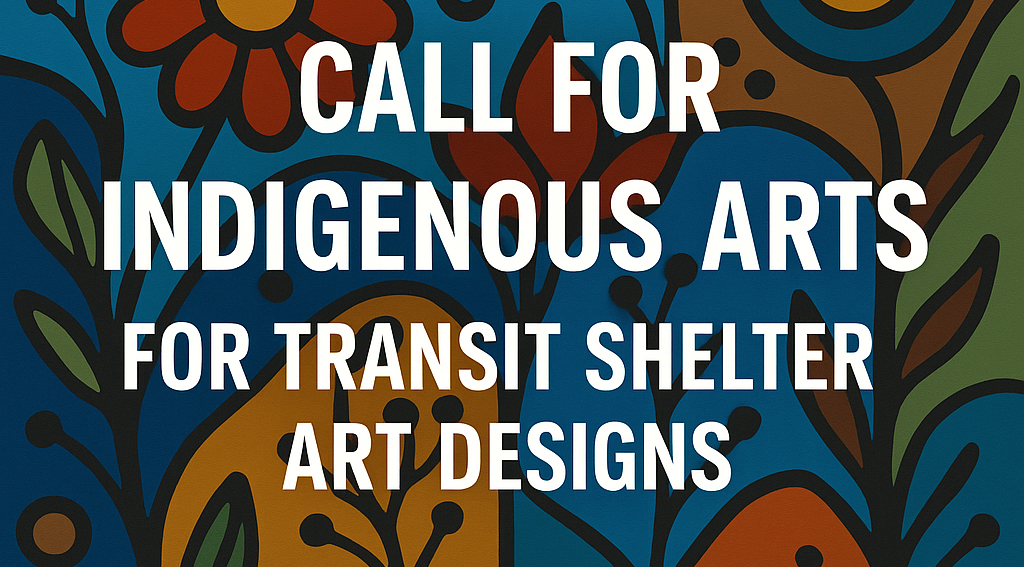
The City of Prince Albert is calling on Indigenous artists to help transform everyday transit stops into vibrant cultural landmarks that reflect the community’s heritage and identity.
In a new initiative announced this week, the City’s Arts & Culture Division, working with the Community Development Department, is inviting Indigenous visual artists to submit original designs for transit shelters. The program, aligned with the Municipal Cultural Action Plan, seeks to highlight the role of Indigenous peoples in shaping the region’s identity while enhancing public spaces for residents and visitors alike.
A Community-Driven Vision
At its core, the project aims to create transit shelters that do more than shield riders from the elements. City officials believe that integrating Indigenous-inspired art into the structures will help address vandalism issues while fostering community pride and advancing reconciliation.
“We’re looking for designs that reflect Indigenous culture and pride and continue to beautify our city,” says Judy MacLeod Campbell, Arts & Culture Manager. “The transit shelters have been the target of vandalism over the last several years, and our belief is that adding art—grounded in Indigenous culture and history—will create a welcoming and positive environment that contributes to reconciliation, pride, and community belonging.”
According to the City, the goal is to celebrate both the identity and creativity of Indigenous peoples in Prince Albert while building a stronger sense of belonging.
How the Program Works
Three designs will be selected in the first phase of the project: two for metal shelter backs and one for a vinyl wrap shelter back. Each chosen artist will receive a $1,000 honorarium for their contribution. The City has signalled that this is just the beginning, with future phases planned to expand the initiative and incorporate more art installations across transit infrastructure.
Officials expect that by weaving Indigenous narratives and visual traditions into the fabric of everyday public life, the project will strengthen ties between community members and the spaces they share.
The Cultural and Economic Case for Public Art
Public art initiatives have increasingly become part of Canadian cities’ strategies to bolster cultural identity while driving tourism, local business activity, and community development. For municipalities such as Prince Albert, which faces challenges with vandalism in high-traffic areas, the addition of meaningful art can serve both practical and symbolic purposes.
By investing in Indigenous-led art projects, the City is also aligning with broader national conversations about reconciliation and cultural recognition. Indigenous artists are often underrepresented in mainstream public art opportunities, and targeted calls such as this one provide an avenue to ensure their voices and visions are represented in the built environment.
Building on the Municipal Cultural Action Plan
The Call for Indigenous Arts is consistent with the objectives of the Municipal Cultural Action Plan, which emphasizes strengthening local identity, creating vibrant public spaces, and celebrating the diversity of cultural expressions in the community. The City believes that integrating Indigenous designs into everyday infrastructure can contribute meaningfully to these goals while opening doors for artists to gain exposure and recognition.
Transit shelters were chosen as a focal point not only because of their visibility but also because of their role as gathering spaces. City officials see them as ideal sites for art that tells stories, fosters dialogue, and instills pride in cultural heritage.
Next Steps and Long-Term Outlook
The City of Prince Albert is now accepting submissions from Indigenous visual artists, with the three selected works to be featured in transit shelters in the coming months. As future phases unfold, additional shelters are expected to be adorned with designs, expanding the reach of the initiative across the city.
Community leaders view the project as a step toward addressing both aesthetic and social challenges. By giving Indigenous artists a platform, the City hopes to enrich the visual landscape of Prince Albert, reduce vandalism, and reinforce a sense of pride and belonging.
While the honourarium provides direct support to participating artists, the long-term value lies in creating a lasting cultural imprint that residents can engage with daily. As the program develops, the City anticipates that these small but impactful installations will become recognizable symbols of Prince Albert’s commitment to reconciliation and cultural celebration.
