

TORONTO, Ontario has launched the country’s first-ever systematic screening program for abdominal aortic aneurysms (AAA), a condition that often goes unnoticed until it becomes life-threatening. Officials say the program could save lives through earlier detection and treatment, reducing the risk of sudden ruptures and emergency surgeries.
The Ontario Abdominal Aortic Aneurysm Screening Program (OAAASP) will begin inviting residents turning 65 to undergo ultrasound testing, marking what the province calls a historic first in Canadian health care. By spring 2026, eligibility will extend to all Ontarians between the ages of 65 and 80, with plans underway to allow self-referral directly to ultrasound labs.
“Abdominal aortic aneurysms affect 20,000 people across the country each year, and we know early detection and prevention of aortic ruptures will save lives,” said Sylvia Jones, Deputy Premier and Minister of Health. “Our government is proud to take this historic step by launching the first Abdominal Aortic Aneurysm Screening Program in Canada, connecting more Ontarians to the care they need, where and when they need it.”
A Silent but Serious Threat
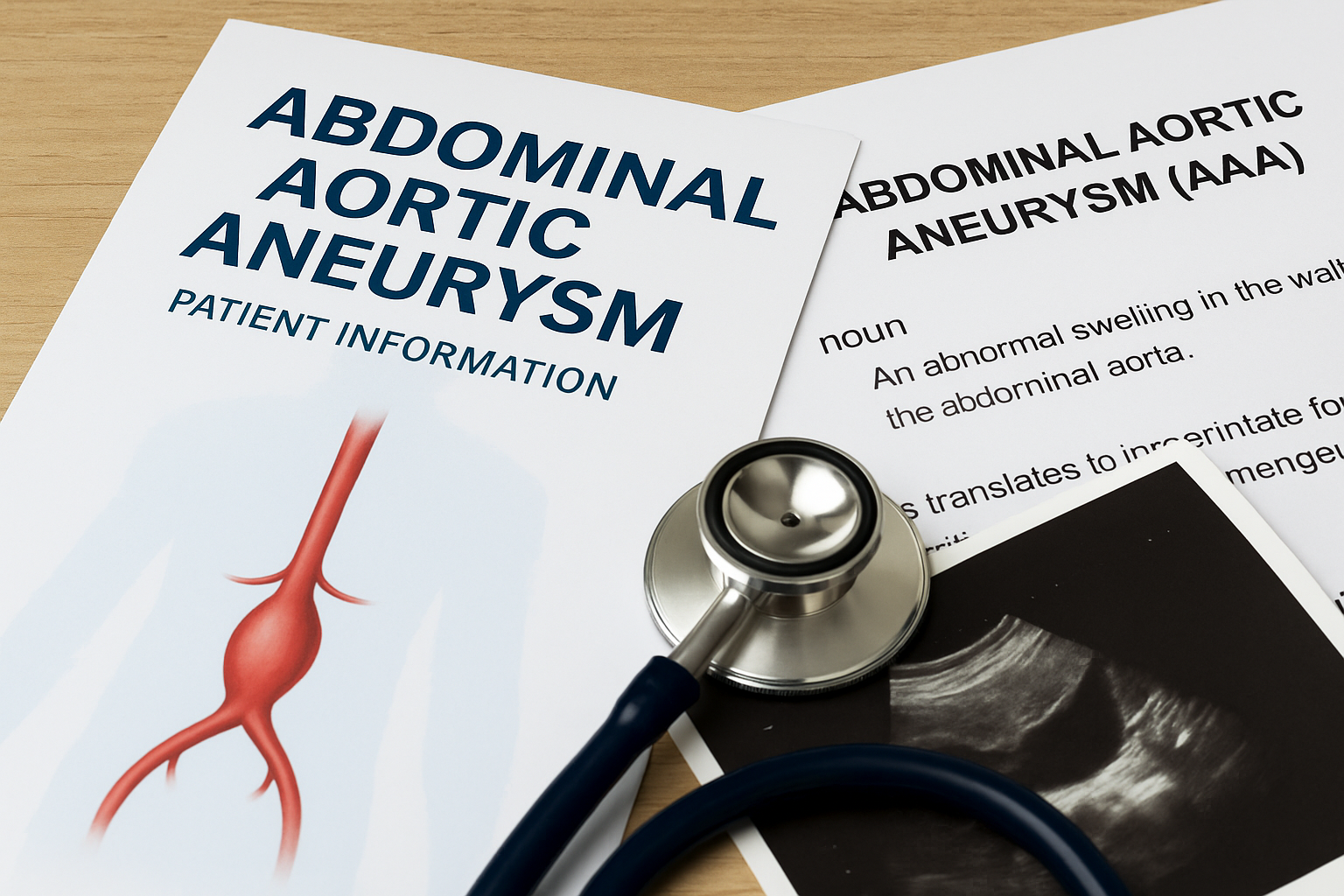
An abdominal aortic aneurysm occurs when a bulge forms in the wall of the aorta in the abdomen. Over time, the weakened wall can rupture, leading to severe internal bleeding and, often, sudden death. Because symptoms rarely appear until it is too late, routine screening is viewed by health experts as a critical tool in preventing fatalities.
The program relies on abdominal ultrasound, a test described as quick, safe, and painless. The procedure takes only a few minutes, requires no preparation, and is publicly funded. “I know from experience how important this program is going to be for Ontarians,” said Vinicio Miccoli, an aneurysm rupture survivor. “I cannot overstate the importance of having everyone know that this quick and painless ultrasound can detect a possible silent, life-threatening aneurysm and help people get timely, effective and proactive care.”
Phased Rollout
Starting immediately, Ontarians celebrating their 65th birthday will receive a letter from Ontario Health encouraging them to speak with their primary care provider about ordering an ultrasound. For those without a family doctor or nurse practitioner, access is available through Health Care Connect.
By next year, the program will expand to cover all seniors aged 65 to 80. Officials are also developing pathways that will let eligible patients book tests directly at participating ultrasound clinics, improving access and convenience.
Matthew Anderson, President and CEO of Ontario Health, described the program as a turning point for preventive medicine. “This is a truly important milestone. Screening will allow for early detection, potentially preventing rupture, enabling repair and avoiding other complications,” he said. “This translates to improved health outcomes for patients and a reduction in the emergency surgeries that are required when an aneurysm ruptures.”
National First
Health leaders say Ontario is setting a precedent for the rest of Canada. “With this launch, Ontario will lead the country as the first provincial health system to implement a systematic population-based abdominal aortic aneurysm screening program,” said Dr. Varun Kapila, Ontario Health’s Provincial Clinical Lead for Vascular. “I have seen firsthand how a simple, 10-minute ultrasound can save lives.”
Part of Broader Health Strategy
The new screening program is one of several initiatives under Your Health: A Plan for Connected and Convenient Care, the province’s broader effort to make health services more accessible and patient-centred.
As part of the 2025 Ontario Budget, the government committed up to $280 million over two years to expand Integrated Community Health Service Centres, while continuing investments to reduce surgical waitlists. At the same time, the province is growing its health-care workforce through measures such as the Ontario Learn and Stay Grant, regulatory changes under As of Right rules, and additional training seats for imaging and laboratory technologists.
Officials emphasize that prevention is a cornerstone of the strategy. By equipping communities with tools to detect and address illnesses sooner, the province aims to reduce reliance on emergency care and keep residents healthier for longer.
Public Health Impact
While abdominal aortic aneurysms are not as well-known as heart disease or stroke, they remain a major health risk for older Canadians. With an estimated 20,000 cases nationwide each year, Ontario’s screening initiative could provide a model for other provinces seeking to reduce mortality and improve patient outcomes.
By expanding access to preventive diagnostics, the government hopes to connect seniors to timely treatment, whether that involves monitoring small aneurysms or performing scheduled surgical repairs before rupture occurs.
As the program rolls out, officials expect awareness to grow among both patients and health providers, reinforcing the value of early detection. The initiative, they argue, represents not only a step forward in vascular care but also a broader commitment to reshaping Ontario’s health system around prevention and accessibility.
