

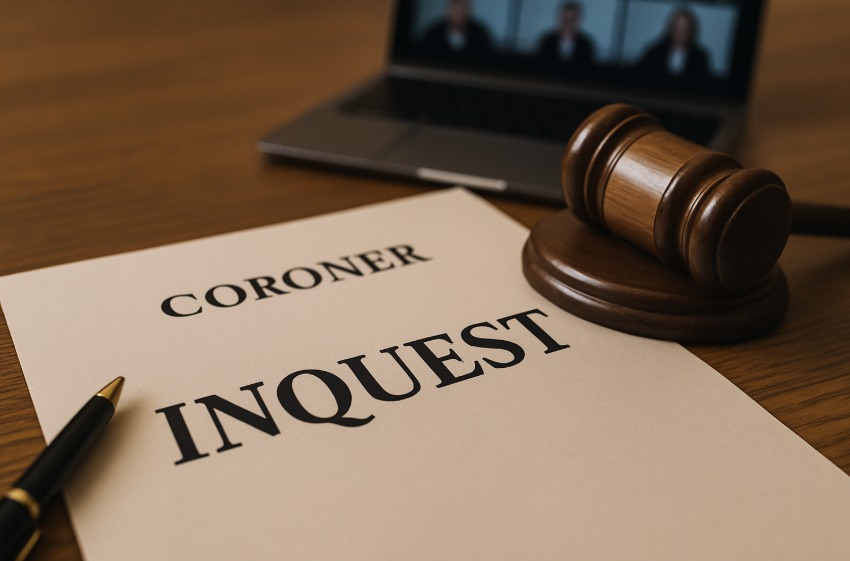
TORONTO — Ontario’s Office of the Chief Coroner has set the date for a mandatory inquest into the death of Martin Gordyn, a 27-year-old man who died in January 2021 following an interaction with the Niagara Regional Police Service. The proceeding, announced Friday by the Ministry of the Solicitor General, will begin December 1, 2025, and is expected to run for seven days.
Dr. Karen Schiff, Regional Supervising Coroner for the West Region, Hamilton Office, confirmed the schedule and key appointments for the inquest, which will be held entirely by video conference.
“Dr. Karen Schiff, Regional Supervising Coroner, West Region, Hamilton Office, announced today that a date has been scheduled for the inquest into the death of Martin Gordyn. The inquest will begin at 9:30 a.m. on Monday, December 1, 2025. Bonnie Goldberg will be the presiding officer and Julian Roy will be the inquest counsel,” the release stated.
Gordyn died on January 5, 2021, after an encounter with Niagara Regional Police officers. Under Ontario’s Coroners Act, inquests are mandatory in certain circumstances, including deaths involving or following police contact. The process is designed to review events leading to the death, determine the facts, and make non-binding recommendations aimed at preventing similar incidents in the future.
“Mr. Gordyn, 27 years old, died on January 5, 2021, following an interaction with officers from the Niagara Regional Police Service. An inquest into his death is mandatory under the Coroners Act,” the statement said.
The inquest will call approximately seven witnesses and is expected to examine the broader context of the police interaction, including communications, officer conduct, medical response and timelines. While inquests do not assign blame or legal liability, they often generate recommendations related to policing procedures, training standards, mental health response protocols, and inter-agency coordination.
“The inquest will examine the circumstances surrounding Mr. Gordyn’s death. The jury may make recommendations aimed at preventing further deaths,” the release stated.
Ontario’s coroner’s inquest process has played a significant role in shaping public policy across the province, particularly in areas involving police oversight, community safety, mental health crises, emergency response, and custodial environments. Recommendations emerging from past inquests have influenced updates to police training, the deployment of crisis intervention teams, medical assessment protocols, and safety standards across a range of sectors.
In this case, the hearing will be conducted virtually, a practice that has become increasingly common since the pandemic. Virtual proceedings help ensure public accessibility while reducing logistical barriers for witnesses, legal counsel, and jurors.
“The inquest is expected to last seven days and hear from approximately seven witnesses. The inquest will be conducted by video conference. Members of the public who wish to view the proceedings can do so live at the link provided below,” the notice said.
Public access is a key feature of Ontario’s inquest system, created to ensure transparency around deaths involving institutional or state interaction. Members of the public can observe the hearing live through the link provided by First Class Facilitation, the platform that hosts many of Ontario’s virtual inquests.
The viewing link is available here:
https://firstclassfacilitation.ca/office-of-the-chief-coroner/inquest-into-the-death-of-Martin-Gordyn/
The Ministry also directed the public to the province’s official information page on coroner’s inquests:
https://www.ontario.ca/page/coroners-inquests
As Ontario continues to review cases involving police interactions and public safety, inquests remain one of the province’s most significant fact-finding mechanisms. Their outcomes often inform municipal and provincial policy and contribute to broader discussions about policing practices and accountability frameworks.
The inquest into Gordyn’s death marks another step in Ontario’s efforts to ensure public transparency and continuous improvement in the systems responsible for emergency and law enforcement response. The jury’s findings and any recommendations that emerge will be made public at the conclusion of the proceeding.