

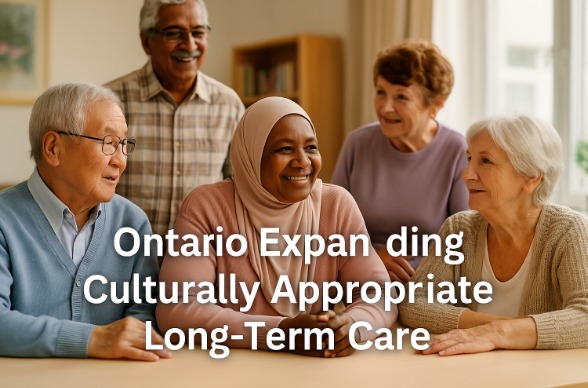
The Ontario government is broadening access to culturally appropriate long-term care by extending a specialized placement model to 30 additional homes, aiming to better align services with residents’ religious, ethnic and linguistic needs. The move will see all 59 provincially recognized cultural long-term care homes operate under the model, which the province says will improve quality of life while continuing to prioritize crisis applicants with the greatest needs.
Announced Wednesday, the expansion builds on a pilot launched in April 2025 at 29 homes serving specific cultural communities. The Ministry of Long-Term Care reports that the test phase improved access to appropriate placements without delaying or disrupting admissions for other urgent applicants.
“Culturally appropriate care enhances quality of life and patient outcomes for residents,” said Natalia Kusendova-Bashta, Minister of Long-Term Care. “Expanding this model to more homes will ensure that more Ontarians can receive the quality of care they deserve, tailored to their unique cultural, religious, ethnic and linguistic needs and preferences.”
Under the model, applicants in crisis can be matched to homes that offer services aligned with their cultural identity. This may include staff and volunteers fluent in particular languages, religiously informed or culturally tailored activities and programming, and meals that reflect specific traditions. The government says the placement framework helps seniors maintain customs and language while receiving needed supports.
“Ontario is committed to ensuring seniors receive culturally responsive care that respects their identity, traditions and linguistic needs,” said Graham McGregor, Minister of Citizenship and Multiculturalism. “This change reflects our government’s efforts to build a long-term care system that supports residents in feeling truly at home, while receiving the care they need.”
As part of the broader effort to modernize long-term care, the province is also increasing the number of Reunification Priority Access Beds (RPABs). These beds allow spouses or partners to be reunited when one is already living in a long-term care home. Homes will have up to four RPABs designated upon implementation, which the government says will strengthen family connections and improve resident well-being.
The expansion aligns with Ontario’s four-pillar strategy for long-term care, focused on staffing and care, quality and enforcement, building new and upgraded homes, and faster access to services. The province continues to pursue its commitment to build 58,000 new and redeveloped beds, while spending on staffing has risen to a record $1.92 billion annually.
Community organizations and cultural homes welcomed the announcement, emphasizing the role of culturally grounded care in supporting seniors’ dignity, comfort and connection.
“At Copernicus Lodge, we see every day how deeply seniors benefit when care honours their language, culture and faith. This expansion of the placement model will help more residents find a home where they feel understood, safe and connected to their community. We are grateful for the province’s recognition of the importance of culturally appropriate care and proud to continue serving the Polish and broader community with compassion and dignity,” said Aleksandra Grzeszczuk, CEO of Copernicus Lodge.
Advocacy groups representing not-for-profit cultural long-term care homes also endorsed the changes.
“We applaud the Ontario government for expanding this placement model to all recognized long-term care homes across the province. Today’s announcement will help ensure more seniors can access care that reflects their language, faith, food and traditions, while still prioritizing those with the greatest needs for placement,” said Lisa Levin, CEO of AdvantAge Ontario. “As the provincial association representing the vast majority of Ontario’s not-for-profit cultural homes, AdvantAge Ontario has long advocated for admissions policies that protect and strengthen culturally appropriate care, and we look forward to continuing to work with the government to support residents, families and the communities that sustain these homes.”
Donna Duncan, CEO of the Ontario Long Term Care Association, said the policy will help ensure seniors receive support “in the right place at the right time.”
“Today’s announcement reinforces person-centred care and helps protect seniors by providing the right supports, in the right place at the right time. Increasing reunification spaces and expanding the placement model to all recognized homes are meaningful changes for homes and for the communities they serve,” Duncan said.
Homes serving Ukrainian communities similarly welcomed the expansion.
“We are excited to see the Ontario government’s dedication to expanding access to culturally appropriate care through the new placement model,” said Olya Vovnysh, CEO of Ivan Franko Homes. “This initiative deeply resonates with our mission, as it supports individuals in finding a home where their language, traditions and cultural identity are honoured.”
The province says Ontario Health placement coordinators will continue working with families to match applicants with appropriate homes, ensuring requirements under the Fixing Long-Term Care Act, 2021 are upheld.
