

Moscow’s transport authority ended 2025 with a comprehensive modernization of its ticketing system, marking a pivotal year in the city’s push toward digital fare payments, domestically produced infrastructure and more inclusive passenger services.
From January through December, Moscow Transport implemented a large-scale upgrade program across the capital’s transit network. The initiative focused on three core priorities: replacing legacy equipment with Russian-made technology, expanding biometric payment options, and introducing virtual solutions for students and other privileged passenger categories.
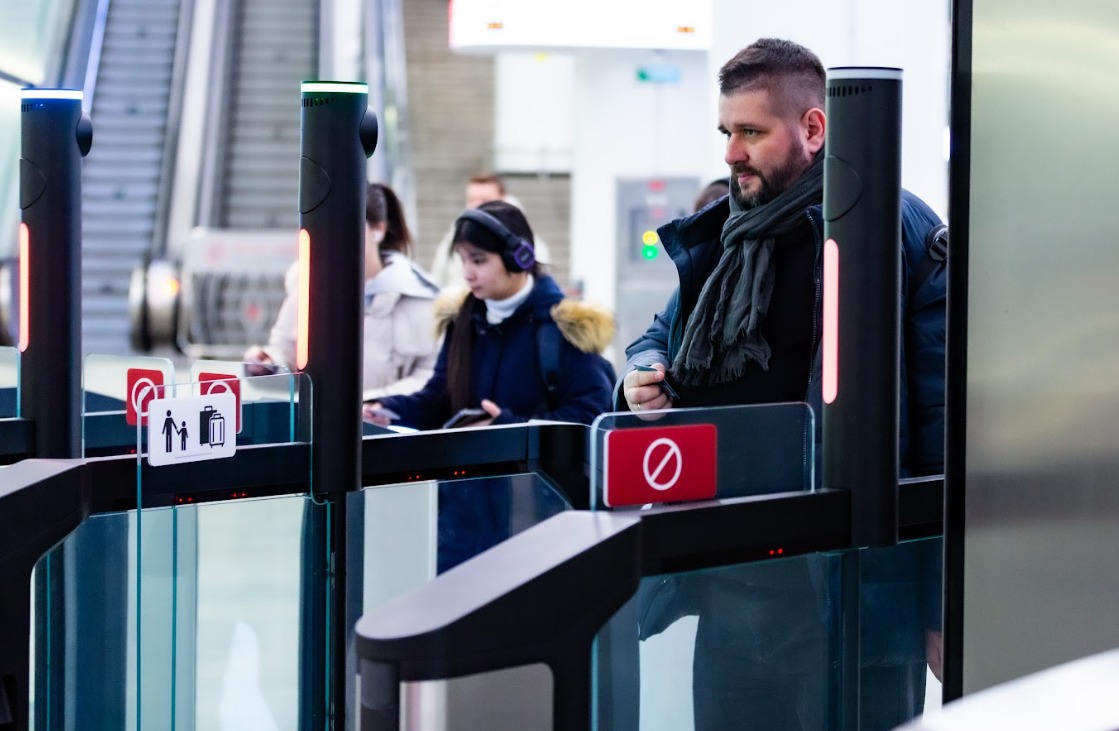
The most significant development was the full rollout of biometric fare payment across the rapid transit system. By the end of the year, biometric access was available at 100 per cent of turnstiles in the Moscow Metro and the Moscow Central Circle (MCC), a milestone city officials say places Moscow ahead of other global megacities in the adoption of the technology.
Transport authorities report that approximately 700,000 users are now registered in the biometric payment system. Since its launch, passengers have completed 192 million trips using facial recognition, a level of usage that Moscow describes as unmatched internationally.
“Today, Moscow Transport is a global leader in the number of convenient fare payment methods. Following the directive of Moscow Mayor Sergey Sobyanin, we pay special attention to the development of the most advanced services. For example, in 2025, biometric technology became fully operational at all metro and MCC turnstiles. We are also developing this technology for the Moscow Central Diameters,” noted Maksim Liksutov, Deputy Mayor of Moscow for Transport and Industry.
Alongside digital services, the city invested heavily in physical infrastructure. In 2025, several metro stations began operating a new generation of Russian-made ticketing equipment. Innovative terminals were installed at Nizhegorodskaya, Kuntsevskaya, VDNKh and Medvedkovo stations. According to Moscow Transport, the updated hardware doubled passenger service speed, helping reduce congestion during peak travel periods.
Smart turnstiles were another key element of the upgrade. Seven compact turnstiles were activated at Terminal 1 of Nizhegorodskaya MGV, offering higher throughput in a smaller footprint. The city estimates the new devices increase capacity by 40 per cent and improve processing speed by 20 per cent compared with earlier models.
Accessibility features were built into the new equipment as well. Vibration feedback and colour indicators were added to assist visually and hearing-impaired passengers, aligning the modernization program with broader inclusivity goals.
Digital-only services also advanced during the year, particularly for younger riders. Testing began on a Virtual Muscovite Card that allows students to pay fares using smartphones via QR codes. Officials say the service will be available to all students through the Metro Moscow app starting in 2026, eliminating the need for a physical card.
On surface transport, Moscow expanded automatic fare activation, removing the requirement for passengers to load funds at dedicated yellow terminals. The feature became available on roughly 3,000 tram validators in 2025 and was used nearly 950,000 times over the year. Authorities plan to scale the technology to buses and electric buses in the next phase.
Taken together, the 2025 initiatives reflect a transport system increasingly built around contactless access, automation and locally produced technology. As Moscow moves into 2026, officials say the focus will shift toward expanding these services across additional rail lines and surface routes, while ensuring reliability and passenger confidence as biometric and virtual fare payments become more central to daily travel.
