

The Ontario government is introducing stricter regulations for electric bicycles (e-bikes) to improve road safety, clarify vehicle classifications and prevent motorcycle-style and motor scooter-style electric vehicles from being operated under existing e-bike rules.
Announced on November 26, 2026, by the Ministry of Transportation, the updated regulatory framework will take effect on May 1, 2027, establishing clearer requirements for riders, manufacturers, retailers and businesses operating within Ontario’s growing electric mobility sector.
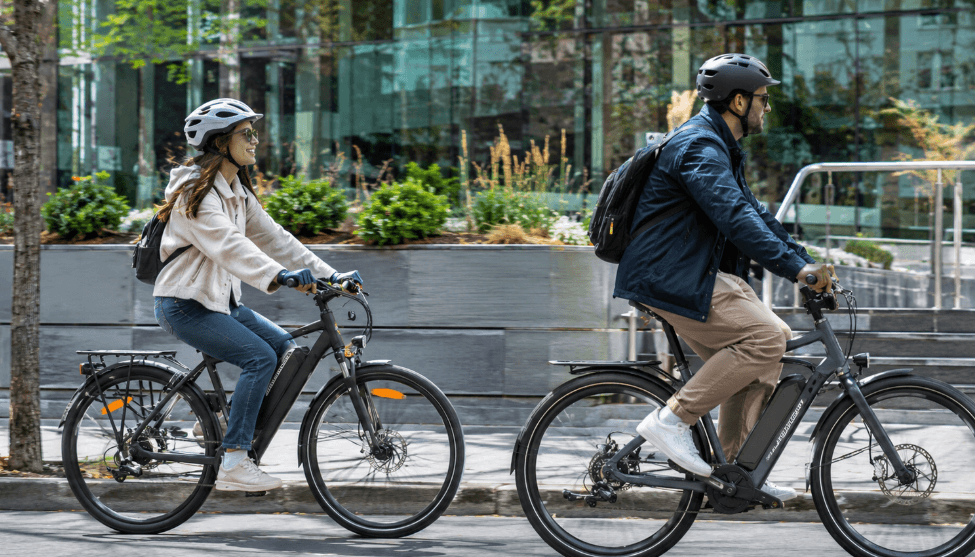
Under the new regulations, only electric bicycles that meet established provincial criteria, including a bicycle-style frame, fully operable pedals and a maximum motor-assisted speed of 32 km/h, will be permitted on Ontario roads without a driver’s licence, vehicle registration or insurance.
Ontario Introduces Stricter E-Bike Safety Standards
The provincial government said the regulatory changes are intended to address safety concerns surrounding electric vehicles that resemble motorcycles and motor scooters but are marketed or operated as conventional e-bikes.
“Electric vehicles that are operated as e-bikes, but function more like motorcycles and motor scooters, pose serious risks for pedestrians, riders, cyclists and drivers,” said Prabmeet Sarkaria, Minister of Transportation. “That is why we are updating the regulations for e-bikes to clarify what is and what isn’t an e-bike, protect road users and ensure everyone follows the same safety, licensing and insurance rules based on their vehicle’s design and capabilities.”
Electric vehicles that fail to meet provincial e-bike requirements will no longer qualify for operation as electric bicycles. Individuals found violating the regulations could face fines of up to $2,500 and vehicle impoundment.
Mopeds and motorcycles will remain subject to applicable driver licensing, registration and insurance requirements before they can legally operate on Ontario roads.
New E-Bike Classifications and Technical Requirements
Ontario’s updated regulatory framework establishes two distinct classes of electric bicycles, with specific weight restrictions and consistent motor performance standards.
Class A and Class B E-Bike Requirements
Class A electric bicycles will have a maximum weight limit of 55 kilograms, while Class B electric bicycles will be permitted to weigh up to 120 kilograms.
Both classifications will be restricted to a maximum motor-assisted speed of 32 km/h and a maximum motor power output of 500 watts.
E-bike operators must be at least 16 years old, wear an approved helmet and comply with the same road rules as other cyclists. Passengers must also wear approved helmets.
Additionally, electric bicycle batteries must be properly installed and maintained according to manufacturers’ specifications.
Ontario Addresses Lithium-Ion Battery Safety
Alongside the transportation regulations, the provincial government is proposing changes to Ontario’s Fire Code to address safety concerns associated with lithium-ion batteries commonly used in electric mobility devices.
“Today’s announcement is another important step in our government’s efforts to protect Ontario and ensure e-bikes are operated safely and responsibly. Safety extends far beyond our roads, which is why we are also proposing changes to Ontario’s Fire Code to promote the safe use, charging and storage of lithium-ion batteries.”
— Michael Kerzner, Solicitor General
The proposed measures are intended to promote responsible battery charging, storage and use, extending the province’s safety efforts beyond public roads.
Police and Industry Partners Support Regulatory Awareness
Ontario is working with municipalities, law enforcement agencies, courier companies, manufacturers, retailers, insurance providers and road safety organizations to increase awareness of the updated requirements.
“The Toronto Police Service supports the safe and lawful use of e-bikes, but as transportation evolves, our laws must keep pace. Clear and consistent requirements will help riders and retailers understand their responsibilities and support police officers in effectively enforcing the law. We welcome the Ontario government’s efforts to address these growing road safety challenges and look forward to continuing our work together to keep all road users safe.”
— Chief Superintendent Mandeep Mann, Field Services, Toronto Police Service
Implications for Retailers and Delivery Businesses
The updated regulations have implications for electric bicycle retailers, manufacturers and delivery businesses, which will need to assess whether their products and vehicle fleets meet provincial requirements.
Consumers are also encouraged to verify vehicle specifications before purchasing electric mobility devices and consult their municipalities regarding additional restrictions on local roads and pathways.
Ontario will continue working with enforcement partners and municipalities to monitor other micromobility vehicles, including electric scooters, as the province seeks to balance transportation innovation with public safety and regulatory compliance.
Discover more from Wire Service Canada
Subscribe to get the latest posts sent to your email.