

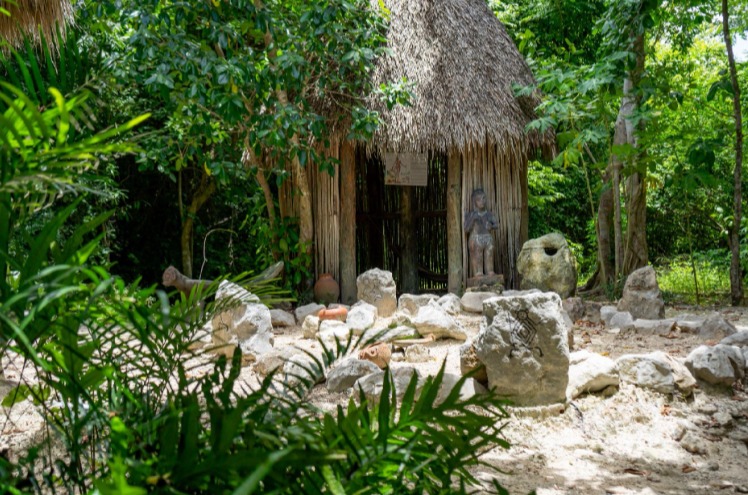
The Caribbean has long been synonymous with powdery beaches, but for a growing number of travelers, the real draw lies beneath the surface. A cultural day in Cap Cana exploring Taino heritage offers a window into the island’s indigenous past, where the Taino people once thrived across Hispaniola before European contact, in order to understand the layers of identity that make the Dominican Republic more than a postcard destination.
From language and spiritual beliefs to crafts and cuisine, Taino culture continues to play an important role in the daily lives of Dominicans. For those seeking what to see in Punta Cana beyond the beach, cultural routes and interpretive trails bring this ancestral story to life through guided walks, artifact displays, and natural settings that honor the island’s first inhabitants.
Why do travelers seek cultural depth in the Caribbean?
More and more tourists are drawn to destinations that offer more than relaxation—they want connection, context, and stories that challenge the one-dimensional image of the Caribbean as merely a beach escape.
Cultural tourism in the Dominican Republic addresses a hunger for authenticity. It’s the antidote to the all-inclusive bubble, a chance to meet the island on its own terms and recognize that the people, traditions, and landscapes carry histories far older than any resort development.
Over the past thirty years, a diverse Taíno movement has taken form, challenging the prevalent belief that Native peoples became extinct shortly after European colonization in the Greater Antilles and spurring a regeneration of Indigenous identity within the racially mixed and culturally blended societies of Cuba, the Dominican Republic, and Puerto Rico. This resurgence has opened doors for visitors to engage with living heritage rather than static museum displays.
Layers of Dominican Identity: From Taino Roots to Natural Heritage
The Taínos were indigenous Caribbean people, part of the Arawakan ethnolinguistic group. Genetic studies show many Dominicans have partial Taíno ancestry, blended with African and European roots due to colonial history. This tri-cultural foundation shapes everything from the words Dominicans use daily to the way they relate to the land.
The Taíno language, an Arawakan language, may be extinct as a spoken language, yet it has left a significant mark on Dominican Spanish. Many words used daily in the Dominican Republic are derived from Taíno. Terms like hamaca (hammock), yuca (cassava), and batata (sweet potato) are everyday reminders of indigenous innovation and agricultural knowledge.
In the Taíno’s pre-Columbian rural society, hierarchy and religion were inextricably linked. The Taíno were governed by a cacique or chief, who, with the help of a bohique (a priest or healer), would lead the village in music and dance-oriented religious ceremonies. Their spiritual worldview centered on zemis—deities and ancestral spirits—and a deep reverence for natural elements like the sun, moon, and sea.
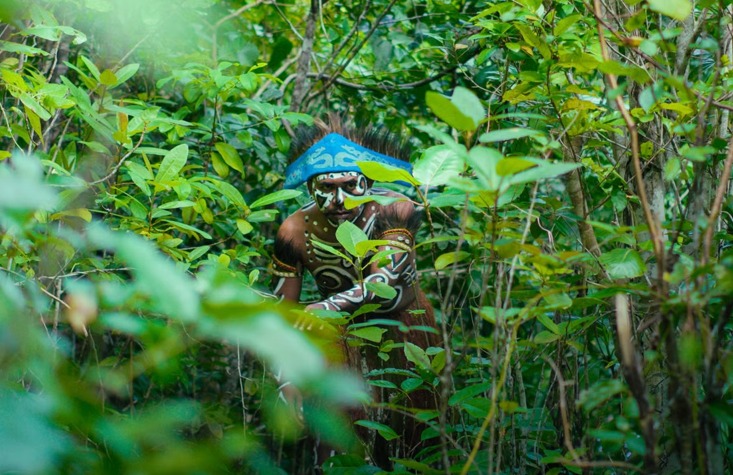
The island’s natural environment was sacred to the Taino. Cenotes, caves, and coastal ecosystems weren’t just resources; they were portals to the spiritual realm, places where the living and the ancestors could meet. Understanding this relationship between people and place enriches any visit to the region’s ecological attractions.
Cultural and interpretive experiences in the Cap Cana area
Walk the Cultural Route at Scape Park Punta Cana to explore Dominican traditions, local crafts, and history in a peaceful nature trail experience. Think of it as a Punta Cana culture tour woven into the jungle, where detailed settings appear: homes, tools, and scenes that tell authentic stories about those who first inhabited this territory.
Beyond interpretive trails, the region offers opportunities to engage with living culture:
- The Cultural Safari lets you meet local families, try home-cooked snacks, and enjoy traditional music
- Altos de Chavón is a recreated 16th-century town with artisan markets where you can buy handmade crafts and learn about Taino history.
These experiences bridge past and present, showing how indigenous knowledge continues to inform contemporary Dominican life.
Connecting with the natural environment
Tropical forest surroundings host local fauna: butterflies, geckos, and rhinoceros iguanas, creating an immersive setting where cultural education and ecological appreciation go hand in hand. The landscape itself becomes a teacher, revealing how the Taino adapted to and honored their environment.
Practical considerations for cultural visits
- Pause in shaded spots to take in the views and visit during cooler hours to make the most of outdoor cultural experiences.
- Comfortable walking shoes, water, and sun protection are essential, but equally important is an open mind and a willingness to listen.
- Guides trained in local history can provide context that transforms a walk through the forest into a journey through time.
Visiting respectfully and getting the most from a guided cultural outing
Respectful engagement begins with recognizing that Taino heritage isn’t a relic—it’s a living thread in Dominican identity. Many communities with Taíno origins are unaware of their history. Cultural tourism, when done thoughtfully, can support the reclamation and celebration of this heritage.
Learning about other cultures provides valuable perspective on different ways of life. This mindset—curiosity paired with humility—transforms a tourist into a traveler and a visit into a meaningful exchange.
- Support local artisans by purchasing directly from them rather than through intermediaries.
- Avoid treating cultural sites as mere backdrops for selfies; instead, take time to read interpretive materials, observe details, and consider the stories being shared.
When choosing a guided experience, look for operators who employ local guides and prioritize small group sizes.Smaller groups offer a more personalized experience and allow travelers to ask questions, learn, and truly feel the Dominican Republic from the inside.
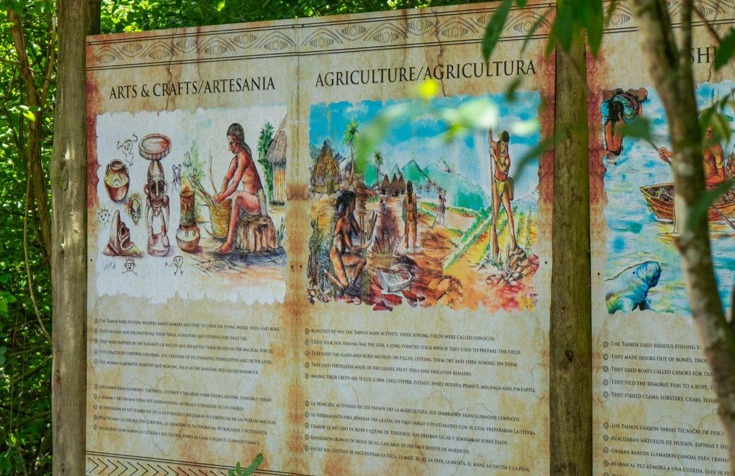
Many words used in everyday conversation have Taino origins, reflecting the enduring influence of this ancient culture. Understanding the history of the Taino people is crucial for anyone looking to experience all that Punta Cana has to offer, as their rich cultural heritage continues to shape the identity of this region. A cultural day in Cap Cana exploring Taino heritage isn’t a detour from the Caribbean vacation—it’s the heart of it.
The Taino may have faced near-erasure, but their presence endures in language, land, and the living culture of the island. To walk a cultural trail in Cap Cana is to honor that resilience and to carry those stories home.
Discover more from Wire Service Canada
Subscribe to get the latest posts sent to your email.