

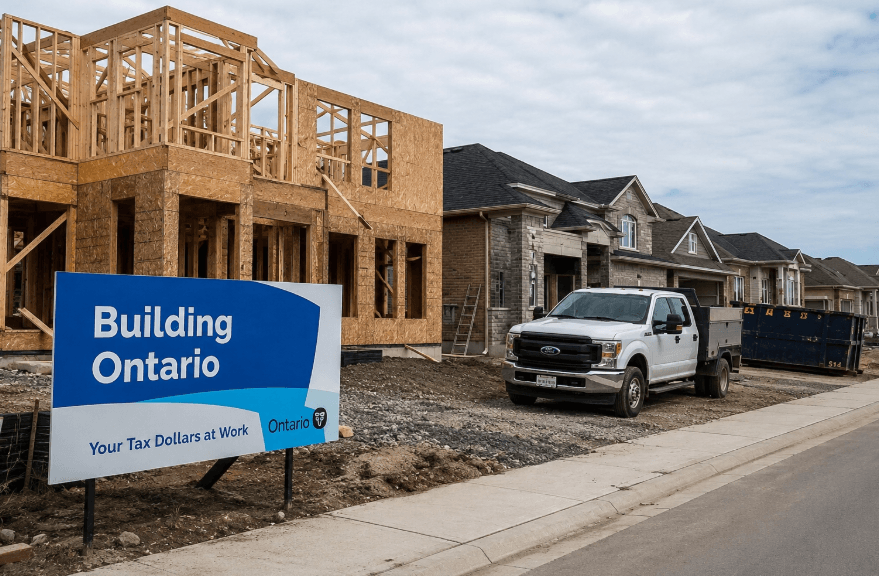
Funding through Building Faster Fund recognizes municipality’s housing growth and infrastructure planning efforts
CHATHAM-KENT, Ont. — The Ontario government has awarded the Municipality of Chatham-Kent $440,000 through the third round of the Building Faster Fund after the community significantly exceeded its provincially assigned housing target in 2025.
The funding is being provided to municipalities that achieve at least 80 per cent of their annual housing targets and is intended to support infrastructure projects that facilitate housing development and accommodate population growth. Chatham-Kent’s performance stood out among participating municipalities, with 577 housing starts recorded in 2025—representing 525 per cent of its annual target.
The province said the funding will help the municipality continue expanding housing supply while investing in community infrastructure needed to support long-term growth and economic development.
Province Rewards Municipalities That Accelerate Housing Construction
Ontario’s Associate Minister of Municipal Affairs and Housing, Graydon Smith, said the municipality’s success demonstrates the impact of reducing barriers to development and advancing housing projects more quickly.
“Chatham-Kent’s strong results show what’s possible when municipalities remove barriers and move projects forward,” said Graydon Smith, Associate Minister of Municipal Affairs and Housing. “Our government is recognizing that leadership by reinvesting in the infrastructure needed to sustain this momentum and support long-term growth. By exceeding its housing target, the community is helping create more opportunities for families and workers to find a place to call home.”
The Building Faster Fund was introduced in August 2023 as a three-year initiative worth up to $1.2 billion. The program rewards municipalities that make substantial progress toward housing targets established by the province and provides funding for infrastructure that supports residential development and growing communities.
Municipality Sees Growth as Economic Opportunity
Local officials welcomed the provincial funding, describing it as a reflection of Chatham-Kent’s continued growth and attractiveness to residents and businesses.
“Chatham-Kent is a community that is trending upwards, and this investment is another example of the opportunities that come with growth,” said Darrin Canniff, Mayor of Chatham-Kent. “When more people choose to live, work, and invest here, it strengthens our communities, supports local businesses, creates jobs, and helps us build a more vibrant future. We are committed to ensuring Chatham-Kent has the housing, infrastructure, and services needed to support continued sustainable growth, and we appreciate the Ontario government’s partnership in helping us make that happen.”
The funding arrives as Ontario continues to pursue a broader strategy aimed at increasing housing supply and improving affordability. The province has introduced several legislative measures designed to accelerate home construction and reduce development-related costs.
Among the latest initiatives are the Building Homes and Improving Transportation Infrastructure Act, 2026, and the HST Relief Implementation Act (Residential Property Rebates), 2026, both intended to streamline development processes and encourage new residential projects.
Broader Housing Strategy Includes Infrastructure and Tax Measures
The provincial government is also advancing housing development through the Canada-Ontario Partnership to Build, an initiative valued at up to $8.8 billion. As part of the agreement, Ontario has launched the Development Charge Reduction Program, which will provide funding for housing-enabling infrastructure projects over the next decade.
Under the program, municipalities that reduce and maintain lower development charges will receive priority consideration for funding. The province argues that lowering these charges can help reduce construction costs and support additional housing projects.
The partnership also includes the temporary removal of the Harmonized Sales Tax on new homes between April 1, 2026, and March 31, 2027. According to the province, the measure could save homebuyers up to $130,000 on the purchase price of a new home.
Ontario officials say the combined measures are intended to improve affordability, encourage residential construction, and support employment across the housing and construction sectors.
Housing Starts Continue to Rise Across Ontario
Recent provincial data indicates housing construction activity is increasing across Ontario. Between January and May 2026, the province recorded 26,084 housing starts, a 17.2 per cent increase compared with the same period in 2025.
Rental housing construction has seen particularly strong growth. During the first five months of 2026, Ontario recorded 13,599 rental starts, representing a 94.9 per cent increase year over year and setting a record for rental starts during that period.
The province has also extended the deadline for municipalities to spend Building Faster Fund allocations until 2028, providing communities with additional flexibility to invest in housing-related infrastructure projects.
Local MPP Highlights Benefits for Residents
Trevor Jones, Member of Provincial Parliament for Chatham-Kent, said the funding recognizes the municipality’s efforts to expand housing opportunities while preparing for future growth.
“Chatham-Kent continues to take meaningful steps to support housing growth and meet the needs of our growing community. This $440,000 investment through the Building Faster Fund recognizes the municipality’s efforts to increase housing opportunities for residents while planning for the infrastructure and services that support sustainable growth. By rewarding communities that are helping to get more homes built, this funding will help ensure Chatham-Kent remains a great place to live, work, raise a family, and invest for years to come.”
The latest funding announcement underscores Ontario’s continued emphasis on accelerating housing construction while ensuring municipalities have the infrastructure necessary to support expanding communities.
Discover more from Wire Service Canada
Subscribe to get the latest posts sent to your email.