

Civil liberties group argues withdrawal of supervised consumption funding may violate Charter rights
Appeal centres on Alberta’s 2024 decision to end funding for overdose prevention services
The BC Civil Liberties Association (BCCLA) is set to intervene before the Alberta Court of Appeal on May 8 in a case challenging the provincial government’s decision to stop funding overdose prevention services, including the Red Deer Overdose Protection Site.
The appeal in Brown v Alberta stems from the Alberta government’s 2024 decision to cease funding for overdose prevention services across the province, leading to the closure of facilities relied upon by people with substance use disorders during Canada’s ongoing toxic drug crisis.
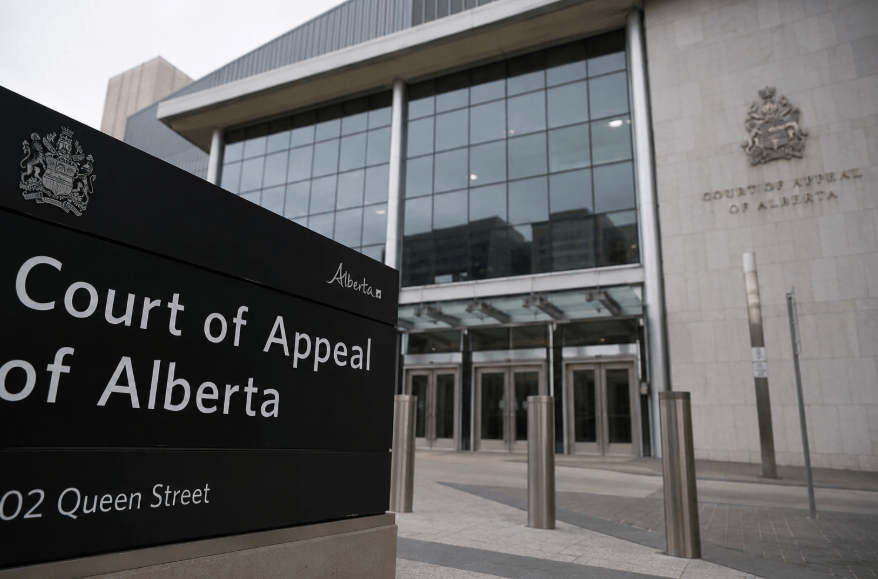
The hearing will take place at the Court of Appeal of Alberta in Edmonton.
At the centre of the case is Aaron Brown, who launched legal action against the Alberta government in 2024 after the closure of the Red Deer site. Brown argued the facility was critical for people who use drugs to avoid preventable overdoses and deaths.
Brown sought a court order to prevent the closure of the overdose prevention site and requested declarations that the province’s actions violated several sections of the Canadian Charter of Rights and Freedoms. Specifically, the lawsuit argued the closures violated the right to life under Section 7, amounted to cruel and unusual treatment or punishment under Section 12, and discriminated against people with substance use disorders contrary to Section 15.
The Alberta Court of King’s Bench previously dismissed Brown’s application. He has since appealed the decision.
BCCLA argues closure of lifesaving services constitutes state action
In its intervention, the BCCLA plans to argue that governments may engage Charter protections when they withdraw access to services that vulnerable individuals depend upon for survival.
According to the organization, the case is not about establishing a general constitutional right to health care. Rather, it concerns whether governments can discontinue lifesaving harm reduction services without constitutional scrutiny when those services have become essential to protecting life and personal security.
The BCCLA contends that supervised consumption and overdose prevention services provide direct lifesaving benefits during an ongoing overdose crisis that has claimed thousands of lives across Canada in recent years.
Charter arguments focus on right to life and security of the person
The organization argues that once governments establish such programs and people come to rely on them, the deliberate withdrawal of funding may constitute state action capable of depriving individuals of their rights under Section 7 of the Charter.
Jerome Igbokwe, staff counsel at the BCCLA, said the appeal raises broader constitutional questions about government accountability when essential supports are removed from vulnerable populations.
“When governments choose to provide lifesaving health services to vulnerable people, and those individuals come to rely on them for survival, withdrawing that support is not neutral; it is state action with real consequences. This challenge is about preventing Governments from sidestepping Charter scrutiny by reframing their duties through the ‘positive’ or ‘negative’ right lens.”
The BCCLA’s legal team in the matter includes Rahool P. Agarwal and Andrea Galizia of Lax O’Sullivan Lisus Gottlieb LLP.
Case reflects wider debate over supervised consumption services
The appeal comes amid continued political and legal debate across Canada over the role of supervised consumption and overdose prevention services in addressing the toxic drug crisis.
Advocates for harm reduction services argue overdose prevention sites reduce fatalities, connect people to health and social supports, and lessen pressures on emergency health systems. Critics, including some provincial governments and municipalities, have questioned the effectiveness of such programs or raised concerns related to public safety and community impacts.
Alberta’s move to end funding for some overdose prevention services in 2024 marked a significant policy shift in the province’s approach to addiction and public health responses.
The outcome of Brown v Alberta could carry broader implications for how Canadian courts interpret governments’ constitutional obligations when public health programs affecting vulnerable populations are withdrawn.
The Alberta Court of Appeal hearing is scheduled for May 8 at 10:00 a.m. MST in Edmonton.