

FOIA action intensifies scrutiny of pesticide regulation loophole
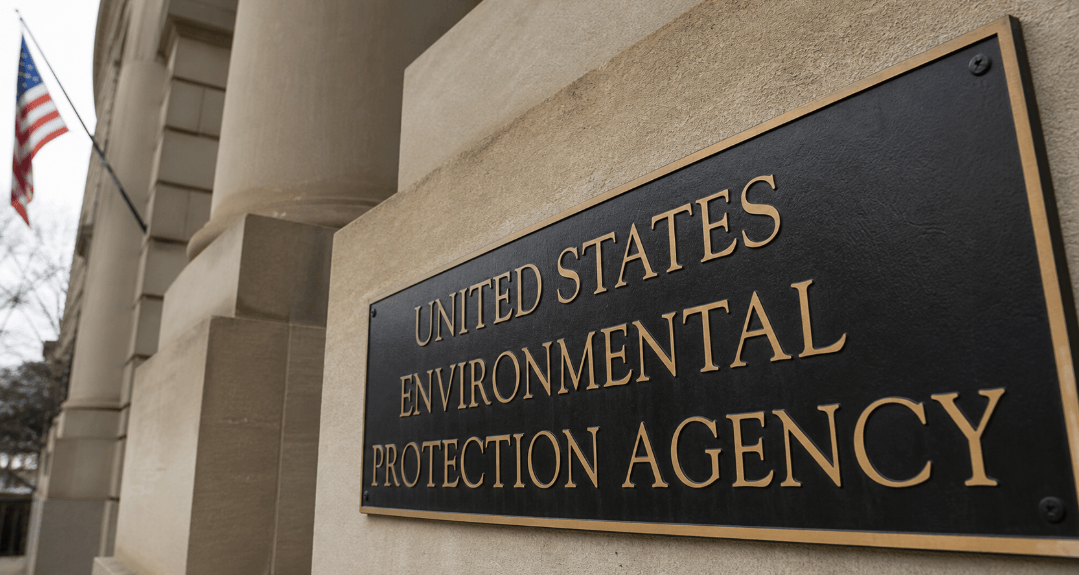
SALEM, Oregon — The Center for Food Safety (CFS) has filed a lawsuit against the U.S. Environmental Protection Agency (EPA), seeking the release of documents related to pesticide-treated seeds used in ethanol production, escalating a long-running dispute over regulatory oversight of neonicotinoid insecticides.
The legal action, filed under the Freedom of Information Act (FOIA), aims to compel the EPA to disclose records concerning the use and disposal of seeds treated with neonicotinoids — specifically acetamiprid, clothianidin, imidacloprid and thiamethoxam. CFS argues the agency has failed to meet statutory deadlines after an initial records request filed in 2023.
Dispute centres on transparency and environmental risk
According to CFS, the requested documents are critical to understanding how the EPA regulates treated seeds and manages potential environmental and public health risks arising from their disposal, particularly when used as feedstock in ethanol plants.
“The unregulated disposal of coated seeds has caused severe human health and ecological harm, and it is unclear where seed companies are sending this toxic seed waste. It’s essential we obtain this information to mitigate the harm of this toxic waste,” said Suzannah Smith, an attorney at Center for Food Safety.
Neonicotinoids — often referred to as “neonics” — are widely used insecticides that act on the nervous systems of insects. Scientific research has linked their use to declines in pollinator populations, including bees and birds. Studies have also suggested potential risks to human health, including developmental and neurological effects, as well as reproductive harm.
When these treated seeds are processed in ethanol production, the chemical residues can become concentrated in both solid and liquid byproducts. Improper storage or disposal of these byproducts may create additional environmental and health hazards, according to advocacy groups.
Legal effort tied to broader regulatory challenge
The FOIA lawsuit forms part of a broader legal campaign by CFS to challenge what it describes as a regulatory gap in U.S. pesticide law. At issue is the “Treated Article Exemption” under the Federal Insecticide, Fungicide, and Rodenticide Act (FIFRA), which allows pesticide-coated seeds to bypass registration and labelling requirements applied to other pesticide products.
CFS has spent more than a decade seeking to close this exemption, arguing that treated seeds should be subject to the same regulatory scrutiny as standalone pesticides due to their environmental and health impacts.
The organization first petitioned the EPA in 2017 to revise its regulations and eliminate the exemption. After years without a response, CFS initiated legal action in 2021 to force a decision. The EPA ultimately denied the petition in 2022, prompting a subsequent lawsuit in 2023 challenging that decision.
While a U.S. district court upheld the EPA’s denial of the petition, it declined to rule on whether the exemption itself violates federal law. That question is now under consideration by the Ninth Circuit Court of Appeals.
Industry implications and regulatory outlook
The outcome of both the FOIA case and the broader regulatory challenge could have significant implications for agricultural producers, seed manufacturers and ethanol processors. Neonicotinoid-treated seeds are widely used across major crops such as corn, soybeans and sunflowers, covering hundreds of millions of acres in the United States.
Environmental groups argue that the current exemption allows large volumes of pesticide-treated materials to enter the environment without adequate oversight. Industry stakeholders, however, have historically maintained that treated seeds are a critical tool for crop protection and agricultural productivity.
Commitment to transparency
CFS maintains that access to government records is essential for public accountability, particularly in areas involving environmental and food safety regulation.
The organization said its FOIA program is intended to uphold transparency principles and ensure public access to information about how federal agencies oversee agricultural chemicals and food production systems.
The EPA has not publicly commented on the latest lawsuit.
As the case proceeds, it is expected to draw attention from both environmental advocates and agribusiness stakeholders, particularly as regulatory approaches to pesticide use face increasing scrutiny in North America and globally.