

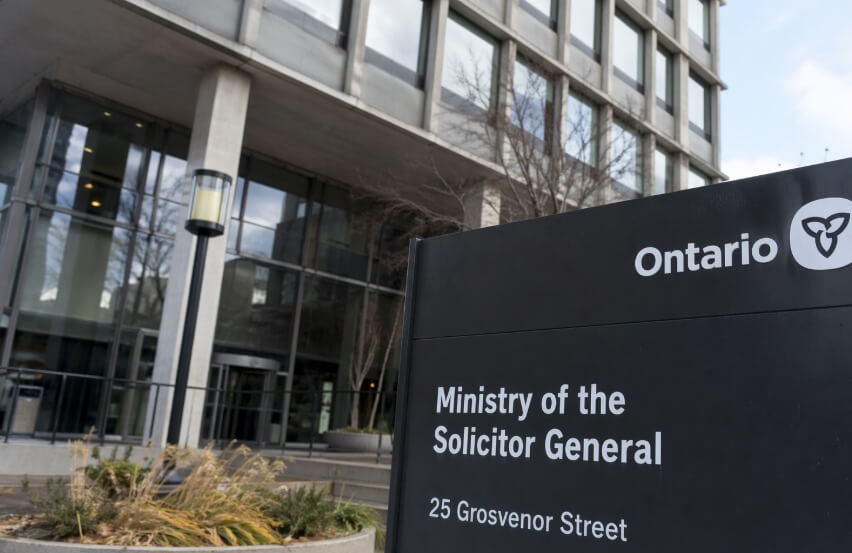
Remote proceedings scheduled as part of Coroners Act process
Ministry confirms April 27 hearing tied to London Police Service case
A motion hearing has been scheduled in connection with the pending inquest into the death of Justin Bourassa, a case that falls under Ontario’s mandatory inquest requirements, the Ministry of the Solicitor General said Wednesday.
The announcement was made by Presiding Officer Murray Segal, who confirmed that the hearing will address procedural matters related to the inquest. The proceeding is set to begin at 12:00 p.m. on Monday, April 27, 2026, and will be conducted remotely, allowing parties to present submissions virtually.
“The Presiding Officer, Murray Segal, announced today that a motion will be heard related to the pending inquest into the death of Justin Bourassa.”
Background on the case
Justin Bourassa, 29, died on October 28, 2021, following an interaction with officers from the London Police Service earlier that same day. Under Ontario’s Coroners Act, an inquest is mandatory in certain circumstances, including deaths involving police interactions.
“Mr. Bourassa, 29 years old, died on October 28, 2021, following an interaction with officers from the London Police Service on the same day. An inquest into his death is mandatory under the Coroners Act.”
Mandatory inquests are designed to publicly examine the circumstances surrounding a death and, where appropriate, make recommendations aimed at preventing similar incidents in the future. They do not assign legal responsibility or determine guilt.
Hearing details and public access
The April 27 motion hearing represents a procedural step in advance of the full inquest. According to the ministry, the session will involve legal submissions from parties with standing in the case. These may include representatives for the family, police, and other stakeholders.
“The hearing will begin at 12:00 p.m. on Monday, April 27, 2026, with parties making their submissions remotely.”
Members of the public will be able to observe the proceedings in real time through an online broadcast link provided by officials, reflecting ongoing efforts to maintain transparency while accommodating remote access.
“Members of the public who wish to view the proceedings can do so live at the link provided below.”
Broader context for business and public policy
While inquests are primarily judicial and public accountability processes, they can carry broader implications for public sector governance, including policing standards, oversight mechanisms, and resource allocation. Recommendations stemming from such proceedings can influence policy decisions, operational practices, and funding priorities within law enforcement and related government agencies.
In Ontario, inquests involving police interactions are closely watched by legal experts, civil society organizations, and policymakers. Outcomes can shape regulatory frameworks and impact institutional risk management strategies, particularly in areas related to training, use-of-force policies, and community engagement.
The upcoming motion hearing is an early but important step in what is expected to be a closely followed inquest. Further details, including the timing of the full inquest proceedings, have not yet been disclosed.