

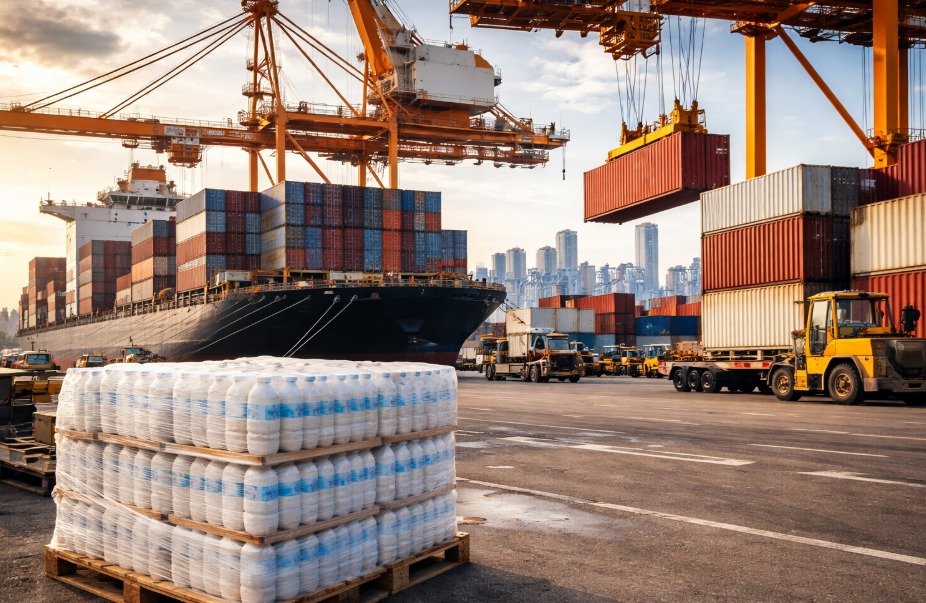
Export Dependence Highlights Urgency of Reliable Shipping
ARLINGTON, VA — The U.S. dairy industry is urging lawmakers to address persistent weaknesses in the maritime supply chain, warning that ongoing disruptions threaten export growth and farm incomes across the sector.
Tony Rice, Senior Director of Trade Policy at the National Milk Producers Federation and the U.S. Dairy Export Council, delivered testimony Tuesday before the House Judiciary Subcommittee on the Administrative State, Regulatory Reform and Antitrust. His remarks outlined structural challenges facing dairy exporters, particularly their reliance on a limited number of foreign-owned ocean carriers.
The stakes are significant. The U.S. dairy sector exported approximately $9.6 billion worth of products last year, totaling three million metric tonnes of cheese, milk powders, whey proteins and other goods. With such volumes tied closely to international markets, efficient and predictable shipping systems are essential to maintaining competitiveness.
Supply Chain Disruptions Continue to Impact Producers
Rice emphasized that disruptions in maritime logistics have direct consequences for farmers, whose operations run continuously regardless of external bottlenecks.
“Dairy farmers milk their cows 365 days a year,” Rice said. “When export shipments are delayed, cancelled, or become more expensive to move, the disruptions ripple back through the supply chain and ultimately affect farm income.”
According to Rice, exporters continue to face operational uncertainty despite some regulatory improvements in recent years. Issues such as rejected bookings, skipped port calls and sudden changes to receiving windows remain common, complicating planning and increasing costs for producers and exporters alike.
Pandemic Lessons Reveal Structural Weaknesses
Rice pointed to the COVID-19 pandemic as a critical stress test that exposed vulnerabilities in the global shipping system. During that period, U.S. dairy exporters experienced severe delays, widespread booking cancellations and unprecedented port congestion.
These disruptions resulted in billions of dollars in unexpected costs and missed sales opportunities for the industry. While the Ocean Shipping Reform Act of 2022 addressed certain concerns—particularly around unfair detention and demurrage fees—Rice indicated that many operational challenges persist.
The concentration of ocean carrier options, most of which are controlled by foreign entities, has left U.S. exporters with limited negotiating power and few alternatives when service disruptions occur.
Industry Calls for Policy and Investment Action
To mitigate ongoing risks, the U.S. dairy industry is calling for a combination of regulatory oversight and strategic investment. Key recommendations include expanding domestic shipbuilding capacity to reduce dependence on foreign carriers and strengthening enforcement authority for the Federal Maritime Commission.
Additionally, Rice stressed the need for greater transparency from ocean carriers, particularly regarding how booking decisions are made and why service disruptions occur.
“We recognize the importance of efficient global shipping networks,” Rice said. “Our concern is ensuring that those networks work for American dairy exporters as well as they work for global carriers.”
Broader Implications for Trade Competitiveness
The concerns raised by the dairy sector reflect broader challenges facing U.S. agricultural exporters, many of whom rely on consistent access to international markets. Inconsistent shipping services not only raise costs but also risk damaging long-term trade relationships if buyers turn to more reliable suppliers.
For policymakers, the testimony underscores the importance of aligning transportation infrastructure and regulatory frameworks with the needs of export-driven industries. Without targeted action, stakeholders warn that supply chain inefficiencies could erode the global competitiveness of U.S. agricultural products.
As Congress continues to examine regulatory and antitrust issues within the maritime sector, the dairy industry’s message is clear: reliable, transparent and competitive shipping services are not just a logistical concern—they are fundamental to sustaining economic growth in rural America.