

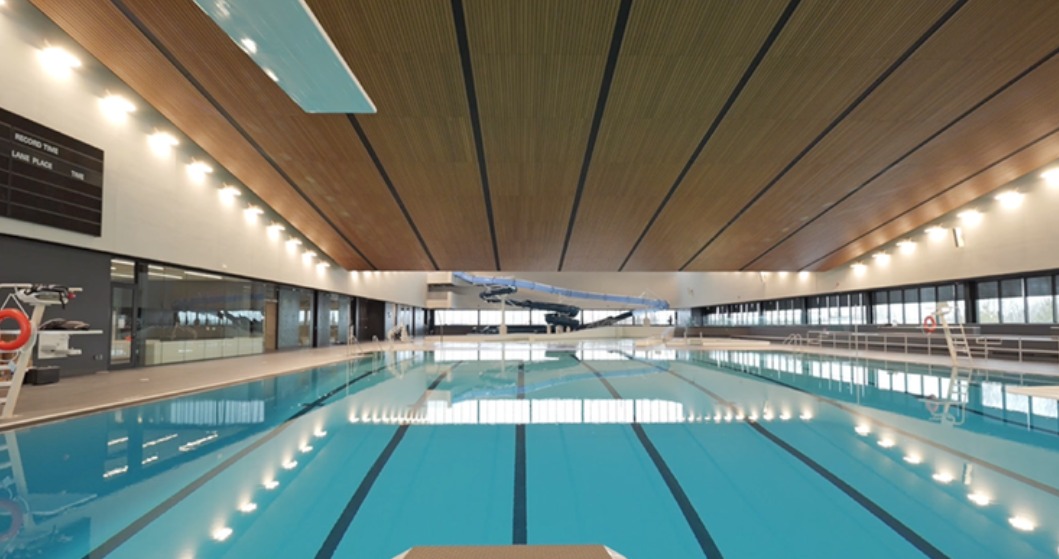
The City of Prince Albert says swimming lessons will return this spring at the Lake Country Co-op Leisure Centre, marking a key step in rebuilding aquatic programming as staffing capacity gradually expands at one of the community’s primary recreation facilities.
In a public announcement, the city said a full slate of lessons will be offered beginning this season, with programs designed to serve a wide range of participants, from beginners to more advanced swimmers.
“A variety of lesson options will be available to support swimmers of all ages and skill levels. Programs will focus on water safety, skill development, and building confidence in a safe and supportive environment led by certified instructors.”
The return of swimming lessons represents both a service restoration and an operational milestone for the city-owned leisure centre, which has faced staffing constraints common across municipal recreation facilities in Canada in recent years.
Registration timeline set
The city has set staggered registration dates, giving Prince Albert residents priority access before opening remaining spots to others.
“Resident registration opens Tuesday, March 10, 2026 at 10:00 a.m.
Non-resident registration opens Tuesday, March 17, 2026 at 10:00 a.m.”
The staggered approach reflects standard municipal practice, ensuring local taxpayers receive early access to subsidized recreation programs funded in part through municipal budgets.
Swimming lessons will be offered in multiple weekly time slots to accommodate different schedules.
“Lessons will be offered on the following schedules:
Mondays & Wednesdays
Tuesdays & Thursdays
Saturday mornings”
City officials said lesson availability will remain limited initially as recruitment and training efforts continue.
“Spots will be limited as the Aquatics team continues to build staffing capacity and expand programming. Additional lesson times may be added as staffing levels increase.”
Staffing shortages reshape recreation services
Like many Canadian municipalities, Prince Albert has faced challenges hiring and retaining certified lifeguards and swimming instructors. Industry groups have pointed to pandemic disruptions, certification lapses, and competition for workers as contributing factors to ongoing shortages.
The city’s phased return to full programming reflects a cautious approach to rebuilding service levels while maintaining safety standards.
Municipal recreation facilities such as the Lake Country Co-op Leisure Centre play a significant role in local economies, providing employment, attracting visitors, and supporting public health objectives.
Swimming lessons in particular are considered essential programming by many municipalities, given their role in drowning prevention and youth development.
Economic and community benefits
Beyond safety, recreation services are also an important driver of municipal revenue through user fees and memberships, helping offset operating costs.
The leisure centre is one of Prince Albert’s flagship recreation assets, offering swimming pools, fitness facilities, and community programming that serve thousands of residents annually.
The return of lessons also supports working families who rely on structured activities for childcare and youth engagement.
City officials encouraged residents to act quickly when registration opens.
“Residents are encouraged to register early to secure their preferred lesson times. Full program details and registration information are available at citypa.ca/swimming or by contacting the Lake Country Co-op Leisure Centre.”
Gradual expansion expected
The city indicated more programming could be added if hiring efforts succeed.
Municipalities across Saskatchewan and Canada have been investing in recruitment campaigns, training subsidies, and partnerships with schools to rebuild aquatics staffing pipelines.
Prince Albert’s phased rollout suggests officials expect further expansion but are taking a measured approach.
For now, the return of swimming lessons signals progress toward restoring full recreation services and meeting community demand.
As staffing levels improve, residents can expect broader access to aquatic programs — a development that supports both public safety and the long-term sustainability of municipal recreation infrastructure.
Discover more from Wire Service Canada
Subscribe to get the latest posts sent to your email.