

SURREY — Fraser Health is urging residents to take precautions against carbon monoxide exposure as colder temperatures drive people indoors and increase reliance on fuel-burning heating systems. The warning comes amid new regional data showing hundreds of emergency visits and more than a hundred deaths linked to the toxic gas in recent years across British Columbia.
Between Jan. 1, 2018, and Oct. 31, 2024, Fraser Health recorded 654 carbon monoxide–related visits to its Emergency Departments. Provincewide, carbon monoxide poisoning has caused more than 120 deaths since 2012. Health officials say the figures highlight an ongoing and preventable public-safety risk as households close windows and turn to furnaces, fireplaces, and portable heaters during the winter months.
“Anyone can be affected by carbon monoxide poisoning,” says Dr. Carolyn Wonneck, Medical Health Officer, Fraser Health. “Symptoms can start slowly or come on quickly. Sometimes several people in the household are affected at the same time.”
Carbon monoxide is produced when fuels such as natural gas, propane, gasoline, oil, and wood fail to burn completely. Because the gas is odourless, tasteless, and invisible, exposure often goes unnoticed until symptoms emerge. Health officials note that early signs commonly resemble the flu—minus the fever—and may include dizziness, shortness of breath, fatigue, nausea or vomiting, chest pain, confusion, and headaches.
The risk increases when fuel-burning appliances malfunction or vent improperly, allowing carbon monoxide to accumulate indoors. Officials say exposure can also occur when outdoor equipment—such as propane heaters, generators, fire rings, and lawnmowers—is used in enclosed or partially enclosed spaces, including garages or sheds, even when doors are left open. Idling a vehicle in a confined space can generate dangerous levels within minutes.
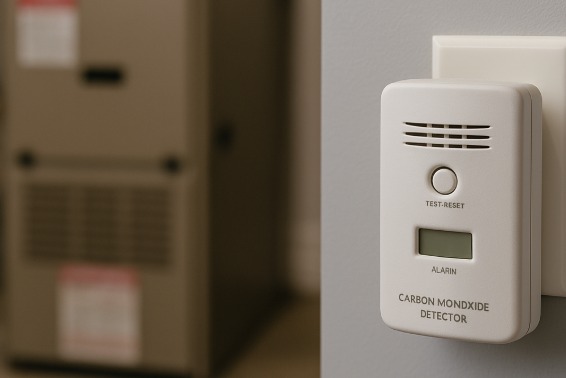
Because the gas cannot be detected without an alarm, Fraser Health stresses that households should install Canadian-certified carbon monoxide detectors on every floor and ensure at least one is placed near sleeping areas. Alarms should be tested monthly, with batteries replaced as needed to ensure continuous protection.
“If your carbon monoxide detector alerts, or if you experience symptoms you think are due to carbon monoxide, go outside immediately and call 9-1-1,” says Dr. Wonneck.
A joint analysis conducted by Fraser Health and Technical Safety BC examined the 654 regional cases to better understand who is most at risk. The review found most incidents involved adults aged 25 to 64, and the majority occurred between October and March—peak months for furnace use and closed indoor environments.
“The majority (84 per cent) of the carbon monoxide incidents reported to us occurred in single-detached homes where homeowners were responsible for appliance maintenance, including homes with rental units,” says Jackie Yip, Leader, Safety System Risk, Technical Safety BC. “Renters and people living with income and housing insecurity may be especially at risk from inadequate appliance maintenance and incorrect installation. While landlords have a legal responsibility to maintain gas appliances, everyone should install a carbon monoxide alarm. This simple, affordable precaution can save lives.”
Technical Safety BC and Fraser Health say proper installation, operation, and maintenance of furnaces, fireplaces, water heaters, stoves, and other heat-generating appliances are essential to preventing carbon monoxide buildup. Homeowners and landlords are advised to schedule annual inspections with licensed gas contractors to ensure equipment is functioning correctly, venting safely, and meeting code requirements.
Officials also caution residents never to use outdoor fuel-burning equipment—such as barbeques, camp stoves, or portable heaters—indoors, even during a power outage. They emphasize that despite being preventable, carbon monoxide exposure remains a recurring seasonal hazard, one that can be mitigated through basic safety practices and regular home maintenance.
As winter sets in, Fraser Health is reiterating that awareness and early detection remain the most effective tools in reducing the ongoing toll of carbon monoxide poisoning.
