

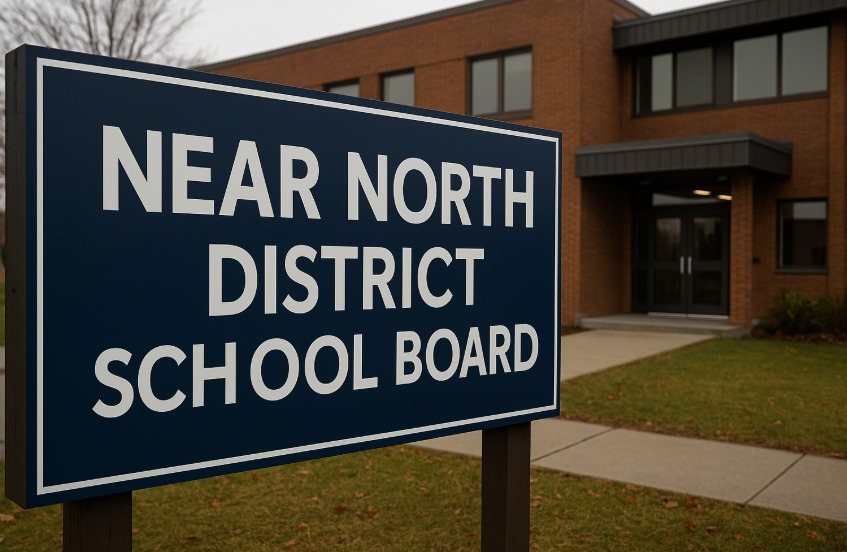
The Ontario government has assumed direct control of the Near North District School Board (NNDSB), citing chronic dysfunction, failed governance, and mismanagement that the province says have jeopardized student learning and eroded public trust. The move marks one of the earliest uses of the enhanced oversight powers granted to the Minister of Education under the newly enacted Supporting Children and Students Act, 2025.
In a statement announcing the intervention, Minister of Education Paul Calandra said the province could not ignore evidence of systemic failures affecting students across the district. “I will not stand by while a board’s incompetence directly impacts student achievement,” Calandra said. “This decisive action should serve as a warning to any board that is failing in its responsibility to put students first. We are putting school boards on notice that I now have the authority to quickly assume control where there is clear mismanagement and ensure accountability on behalf of parents and teachers.”
The ministry launched its formal review in response to escalating concerns surrounding severe delays in opening a new JK–12 school in Parry Sound. The project’s setbacks forced hundreds of elementary students to relocate to another school this fall, while high school students were temporarily shifted to remote learning and are now being taught in a partially demolished high school. According to the province, these disruptions were symptomatic of deeper governance failures within the board.
The review found what the ministry described as an “alarming lack of leadership” within NNDSB’s senior administration, as well as a board of trustees that was “divided, inexperienced, and unwilling or unable to carry out its responsibilities.” Reviewers noted that trustees demonstrated limited understanding of good governance practices, even after being offered training opportunities. The Director of Education was also scrutinized, with the review raising “significant concerns” about leadership, professional conduct and the inappropriate use of a corporate credit card by a family member.
The Minister responded to the findings by issuing 15 binding directions aimed at restoring stability, strengthening governance practices and rebuilding public confidence. According to the ministry, the board failed to meet deadlines for 10 of those directives. That non-compliance triggered the decision to place NNDSB under supervision—one of the strongest measures available to the government.
A provincial supervisor will be appointed in the coming weeks, but Calandra will serve in the supervisory role until the formal appointment is made. Once in place, the supervisor will assume decision-making authority and report regularly to the ministry. Supervisors are typically selected for their expertise in governance, finance and public accountability, and are tasked with stabilizing operations and ensuring compliance with provincial expectations.
NNDSB becomes the sixth Ontario school board currently operating under provincial supervision. Other boards have been placed under supervision due to deepening financial deficits, depleted reserves and various forms of mismanagement. The province says these interventions are intended to safeguard the integrity and sustainability of Ontario’s publicly funded education system.
The Supporting Children and Students Act, 2025, which received Royal Assent last month, significantly expanded the Minister of Education’s authority to intervene in school boards. The legislation allows the minister to investigate concerns related to governance, finances or program performance, issue binding directions or place a board under supervision where matters of public interest are at stake. The government has framed the act as a tool to enhance accountability while advancing its “back-to-basics” approach to boosting student achievement.
In announcing the takeover, the province emphasized its commitment to rebuilding trust in the education system and ensuring that administrative dysfunction does not interfere with learning. The government maintains that the intervention will help restore stability in the Near North region, where families have endured months of uncertainty linked to board decision-making.
Although details on the timeline for restoring local control have not been provided, the ministry said supervision will continue until effective governance is re-established and the board demonstrates compliance with provincial directives.
